
Why Neuropathy Requires a Broader Clinical View
Peripheral neuropathy is often first recognized through symptoms affecting the feet. Patients commonly report burning sensations, tingling, numbness, discomfort, balance changes, or difficulty walking. While these symptoms are clinically important, they represent only part of the picture. For many individuals, neuropathy develops within a broader physiological environment involving metabolic health, circulation, inflammation, and nerve function. The symptoms may appear in the feet, but the underlying contributors often extend well beyond the lower extremities. Understanding neuropathy from a systems based perspective allows clinicians to develop more comprehensive care plans that focus not only on symptom relief but also on supporting movement, function, and long term patient outcomes.Why Is Neuropathy More Than a Foot Condition?
Peripheral nerves extend throughout the body, and their function depends on much more than the tissues surrounding the foot. Healthy nerves require:- Adequate circulation
- Oxygen delivery
- Nutrient availability
- Healthy tissue metabolism
- A supportive physiological environment
What Systemic Factors May Influence Neuropathy?
Peripheral neuropathy is frequently associated with underlying physiological changes rather than a single localized problem. These may include:- Metabolic dysfunction
- Reduced microcirculation
- Chronic inflammation
- Oxidative stress
- Reduced physical activity
- Changes in tissue metabolism
Why Is Metabolic Health Important for Nerve Function?
Peripheral nerves are metabolically active tissues. They depend on a continuous supply of oxygen and nutrients to maintain normal function. When metabolic health becomes compromised, nerve tissue may become more vulnerable to ongoing physiological stress. This may contribute to:- Sensory changes
- Altered proprioception
- Reduced movement confidence
- Functional decline
- Changes in walking ability
What Role Does Inflammation Play?
Inflammation is another important consideration within a systems based model of neuropathy care. Persistent inflammatory stress may influence:- Tissue behavior
- Pain sensitivity
- Recovery capacity
- Movement tolerance
- Reduced confidence with walking
- Poor tolerance to standing
- Increased balance challenges
- Difficulty participating in daily activities
Why Is Neuropathy Also Considered a Movement Disorder?
As neuropathy progresses, changes in movement often become just as significant as sensory symptoms. Clinicians may observe:- Reduced push off during gait
- Shortened stride length
- Longer periods of double support
- Altered balance strategies
- Hesitation while walking
- Reduced confidence on uneven surfaces
What Does a Systems Based Neuropathy Program Look Like?
A systems based approach does not require conservative clinicians to manage every aspect of metabolic disease. Instead, it encourages providers to develop care plans that recognize the many factors influencing nerve health. This may include:- Functional assessment
- Gait evaluation
- Balance screening
- Lower extremity movement analysis
- Patient education
- Activity progression
- Collaboration with other healthcare providers when appropriate
Where Does Class IV Laser Therapy Fit?
Many clinicians integrate High Intensity Laser Therapy into comprehensive rehabilitation programs to support increased circulation, tissue stimulation, and temporary relief of minor muscle and joint pain. Therapeutic lasers are FDA cleared for:- Increasing circulation
- Tissue stimulation
- Temporary relief of minor muscle and joint pain
- Gait training
- Balance exercises
- Functional strengthening
- Progressive activity programs
Why Is a Holistic Approach Better for Patients?
Patients living with peripheral neuropathy are often concerned about much more than discomfort. Many worry about:- Falling
- Losing independence
- Walking safely
- Remaining active
- Participating in everyday life
- Symptoms
- Tissue health
- Circulation
- Functional movement
- Balance
- Patient confidence
The Bottom Line
Peripheral neuropathy may present with symptoms in the feet, but it is rarely only a foot problem. The condition often reflects a combination of metabolic, vascular, inflammatory, and neurological influences that affect movement, balance, tissue health, and overall function. For clinicians, adopting a systems based perspective encourages more comprehensive care pathways that extend beyond symptom management alone. When integrated appropriately, Class IV laser therapy can support FDA cleared indications such as increased circulation, tissue stimulation, and temporary relief of minor muscle and joint pain while complementing exercise, gait training, balance rehabilitation, patient education, and other conservative interventions. The strongest neuropathy programs focus not only on where symptoms occur, but also on the broader physiological environment that influences nerve health and long term function.Explore our Class 4 Lasers and Shockwave Therapy Device
Laser
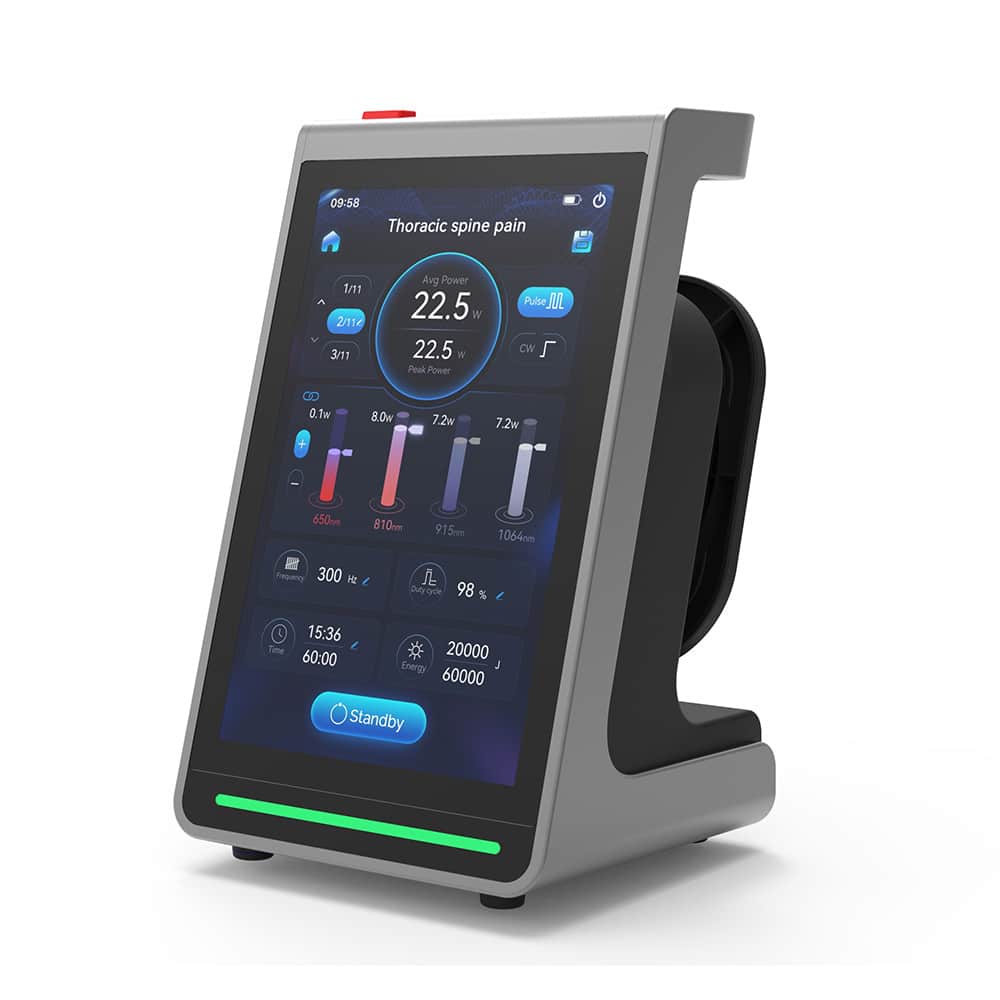
Explore Medray’s Class 4 Lasers
Medray’s Class 4 therapeutic lasers are designed to support circulation, tissue stimulation, and pain relief through a streamlined, repeatable workflow. Discover how laser therapy integrates seamlessly into busy clinics while providing a contact-free option for sensitive presentations.
Shockwave
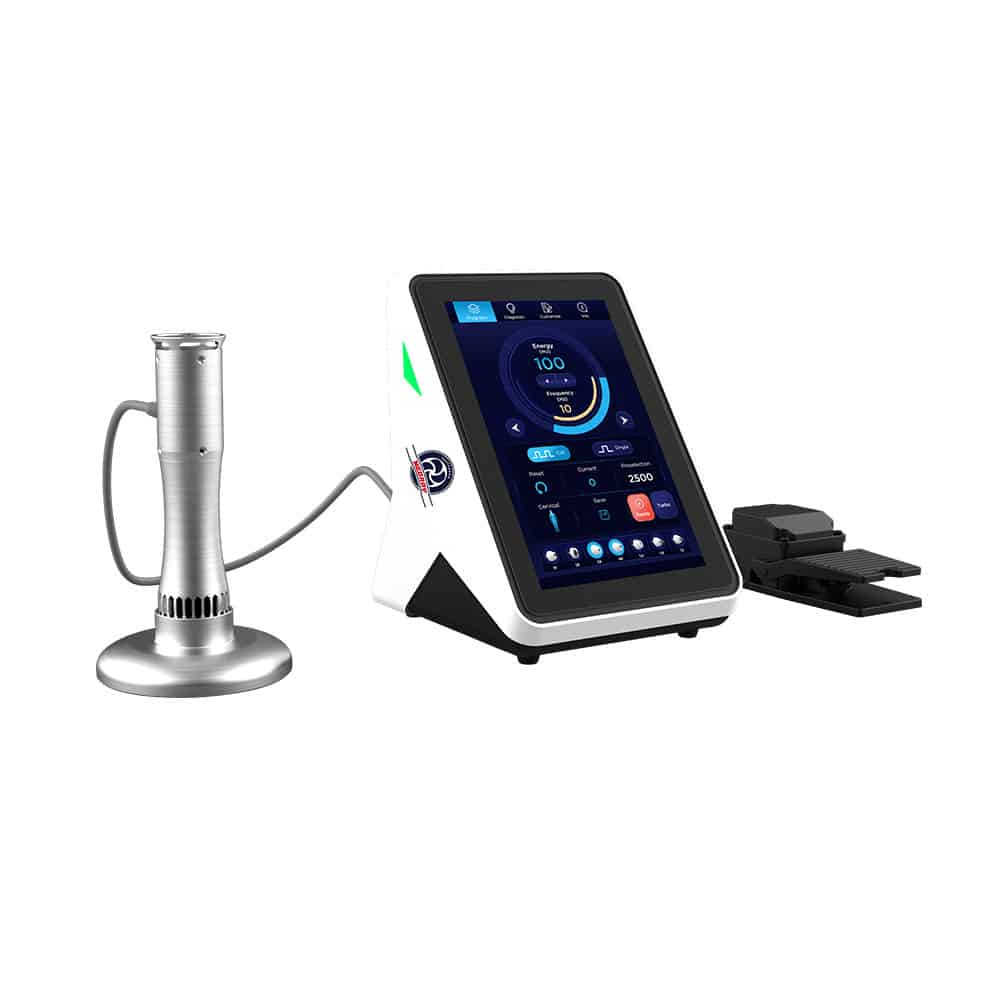
Explore Softshock 2.0 (RPW)
Clinical guidance for neuropathy affecting the feet and lower extremities
Support Neuropathy Care Beyond the Foot With Class IV Laser Therapy
Clinicians evaluating patients with neuropathy symptoms affecting the feet and lower extremities can consider how Class IV laser therapy may support increased circulation, tissue stimulation, and temporary relief of minor muscle and joint pain within a broader, systems-based care pathway. Medray helps clinicians consider how laser therapy may complement functional assessment, gait evaluation, balance screening, and patient education as part of care that extends beyond the site of symptoms. Call us at (573) 745-1086 or visit our Contact Us page to discuss evidence-aligned laser therapy integration for your practice.