
Looking Beyond Symptoms in Peripheral Neuropathy
Peripheral neuropathy is often recognized by the symptoms patients describe, including tingling, burning sensations, numbness, pain, balance challenges, and changes in walking ability. While these symptoms are important, they are only part of the clinical picture.
For many patients, neuropathy is also associated with changes in the local tissue environment.Reduced microcirculation, altered tissue metabolism, and ongoing physiological stress may all influence how nerves function and how patients respond to conservative care.
This is why many clinicians are looking beyond symptom management alone. High Intensity Laser Therapy, also known as Class IV laser therapy, is increasingly being incorporated into structured neuropathy programs because it supports FDA cleared indications such as increased circulation, tissue stimulation, and temporary pain relief.
Rather than serving as a standalone solution, laser therapy can become part of a broader strategy focused on improving movement, function, and patient participation.
Why Is Microcirculation Important for Nerve Health?
Peripheral nerves rely on a healthy local environment to function properly.
Like all living tissues, nerves require:
- Adequate blood flow
- Oxygen delivery
- Nutrient exchange
- Healthy surrounding tissues
When microcirculation becomes compromised, nerves may become more vulnerable to ongoing stress.
Over time, reduced tissue support may contribute to:
- Decreased activity tolerance
- Reduced walking confidence
- Lower tissue resilience
- Persistent discomfort
For many clinicians, improving the environment surrounding the nerve becomes an important objective alongside addressing patient symptoms.
How Are Circulation and Neuropathy Connected?
Impaired circulation and nerve dysfunction are often closely related.
This relationship is particularly common among individuals with diabetes or prediabetes, where vascular and neurological changes frequently occur together.
However, reduced circulation is not limited to these populations.
Clinicians may also observe signs such as:
- Cold feet
- Reduced walking tolerance
- Lower extremity fatigue
- Decreased activity levels
- Prolonged symptom duration
These findings may indicate that the tissues supporting the nerve are functioning less efficiently.
While every patient presents differently, improving circulation remains an important component of many conservative care plans.
What Role Can Class IV Laser Therapy Play?
High Intensity Laser Therapy should be viewed as one component of a comprehensive neuropathy strategy.
Its value extends beyond temporary pain relief.
Because therapeutic lasers are FDA cleared for increasing circulation, tissue stimulation, and pain relief, clinicians often incorporate laser therapy when the goal is to support the local tissue environment while continuing rehabilitation and movement based care.
Rather than asking whether laser therapy alone can address neuropathy, a more useful question is:
How can laser therapy support the overall treatment plan?
Why Should Neuropathy Care Focus on More Than Symptoms?
- Walking tolerance
- Balance confidence
- Standing endurance
- Functional mobility
- Activity participation
- Tissue quality
How Can Laser Therapy Support Functional Rehabilitation?
- Increased circulation
- Tissue stimulation
- Temporary pain relief
- Gait training
- Balance exercises
- Functional strengthening
- Movement retraining
- Progressive activity programs
Progressive activity programs
Importantly, laser therapy does not replace these interventions.
Instead, it may help create conditions that support greater participation throughout the rehabilitation process.
Should Laser Therapy Be Used Alone?
No.
Successful neuropathy care typically involves multiple components working together.
Depending on the patient’s presentation, a comprehensive plan may include:
- Functional assessment
- Balance training
- Gait retraining
- Exercise progression
- Footwear recommendations
- Patient education
- Medical collaboration when appropriate
- Class IV laser therapy
Each intervention serves a different purpose within the overall care pathway.
Laser therapy is most valuable when integrated intentionally rather than applied as an isolated treatment.
How Does Structured Care Improve Outcomes?
One of the most effective ways to improve neuropathy management is to build consistency into every stage of care.
A structured treatment pathway may include:
Baseline Assessment
Document functional limitations, balance, walking ability, and patient reported symptoms.
Defined Treatment Goals
Establish measurable objectives that focus on function as well as symptom improvement.
Consistent Treatment Delivery
Apply interventions according to a repeatable clinical plan that reflects the patient’s needs.
Objective Reassessment
Monitor meaningful indicators such as:
- Walking tolerance
- Balance performance
- Functional mobility
- Activity participation
Why Is Function the Ultimate Goal?
For many patients living with peripheral neuropathy, success is measured by much more than symptom reduction.
Meaningful improvements may include:
- Walking farther
- Standing longer
- Moving with greater confidence
- Participating in daily activities more comfortably
- Improving overall quality of life
The Bottom Line
Peripheral neuropathy involves more than pain alone.
Many patients experience changes in circulation, tissue health, movement quality, and functional capacity that all contribute to the clinical picture.
Class IV laser therapy offers clinicians an FDA cleared modality that supports increased circulation, tissue stimulation, and temporary pain relief. When incorporated into a structured neuropathy program alongside exercise, balance training, gait rehabilitation, and patient education, it may help create a more supportive environment for recovery and functional improvement.
The greatest value of laser therapy is not in replacing other aspects of care. It is in strengthening a comprehensive treatment strategy that helps patients move, function, and participate more confidently throughout their rehabilitation.
Explore our Class 4 Lasers and Shockwave Therapy Device
Laser
Explore Medray’s Class 4 Lasers
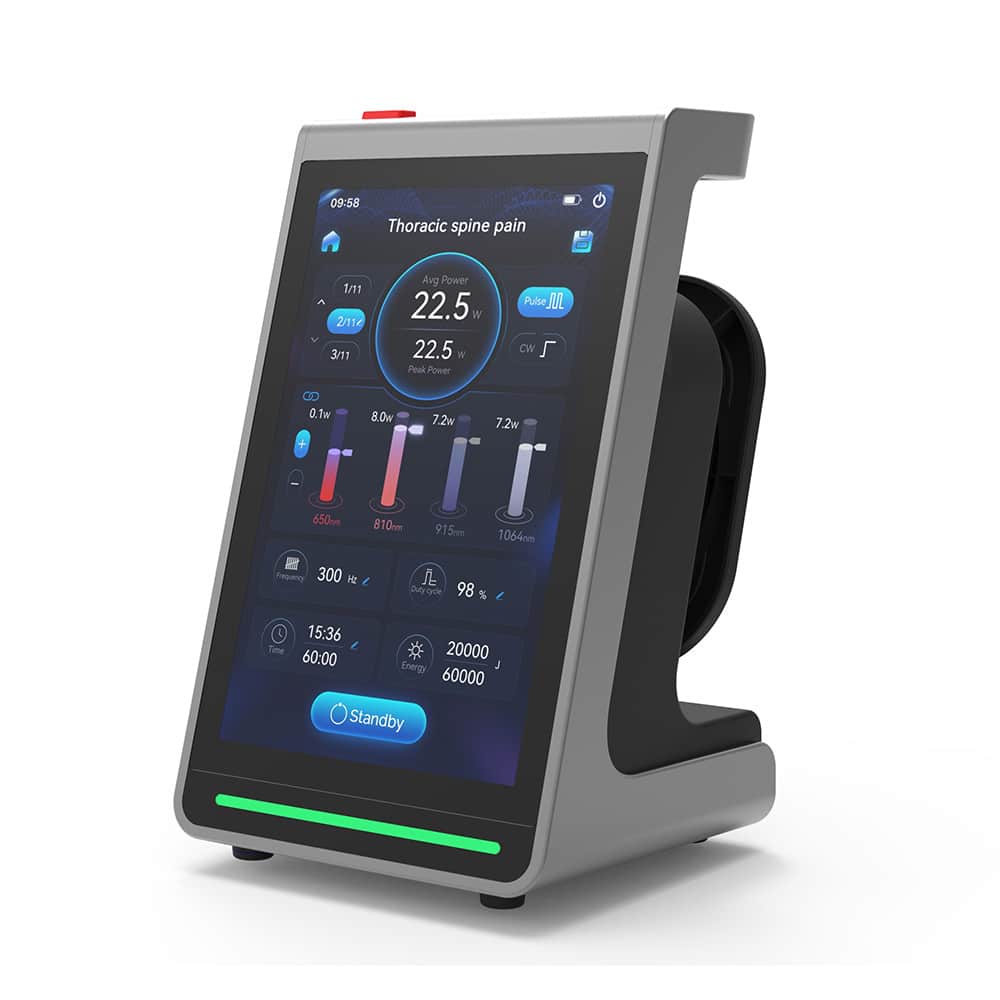
Medray’s Class 4 therapeutic lasers are designed to support circulation, tissue stimulation, and pain relief through a streamlined, repeatable workflow. Discover how laser therapy integrates seamlessly into busy clinics while providing a contact-free option for sensitive presentations.
Shockwave
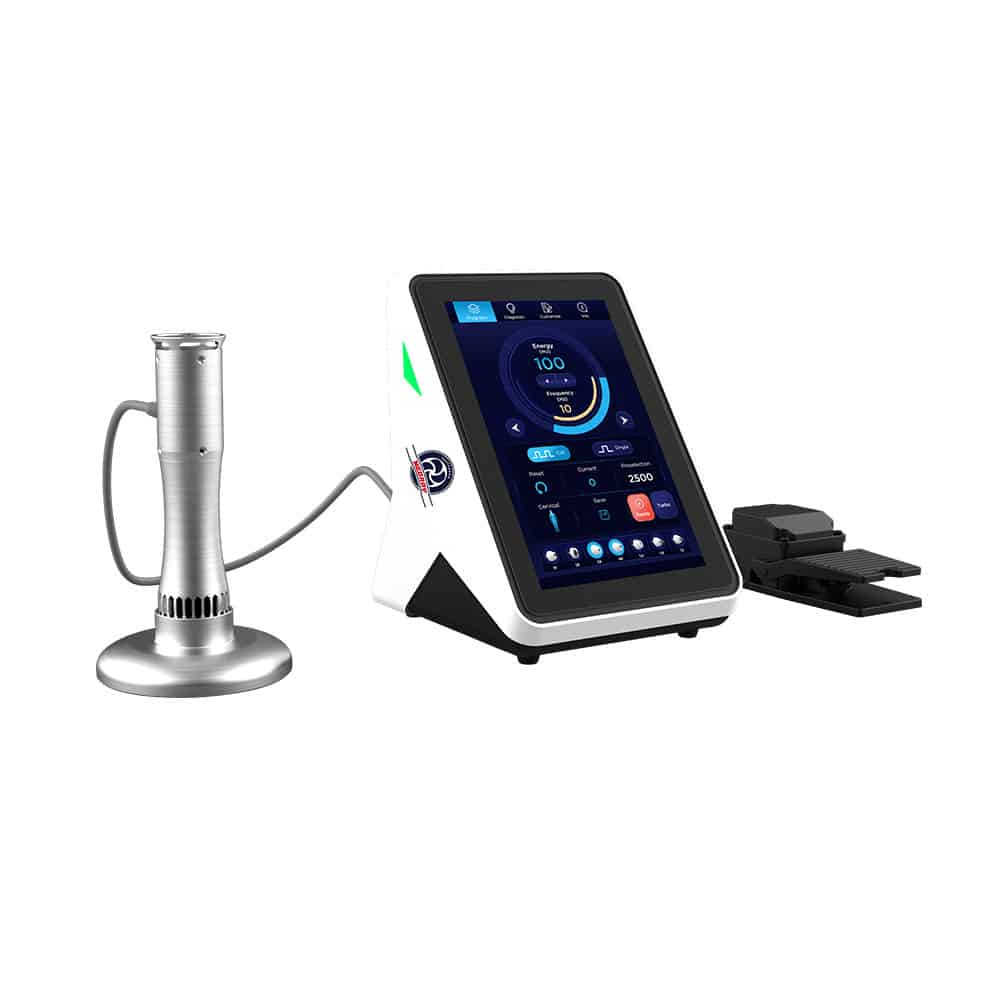
Explore Softshock 2.0 (RPW)
Clinical guidance for structured neuropathy care
Support Neuropathy Care With Class IV Laser Therapy
Class IV laser therapy can support increased circulation, tissue stimulation, and temporary pain relief within a structured neuropathy care program. Medray helps clinicians evaluate how laser therapy may complement functional assessment, gait rehabilitation, balance training, exercise progression, and patient education without replacing the broader plan of care. Call us at (573) 745-1086 or visit our Contact Us page to discuss evidence-aligned laser therapy integration for your practice.