
Radial pressure wave device designed for physical therapy clinics nationwide.
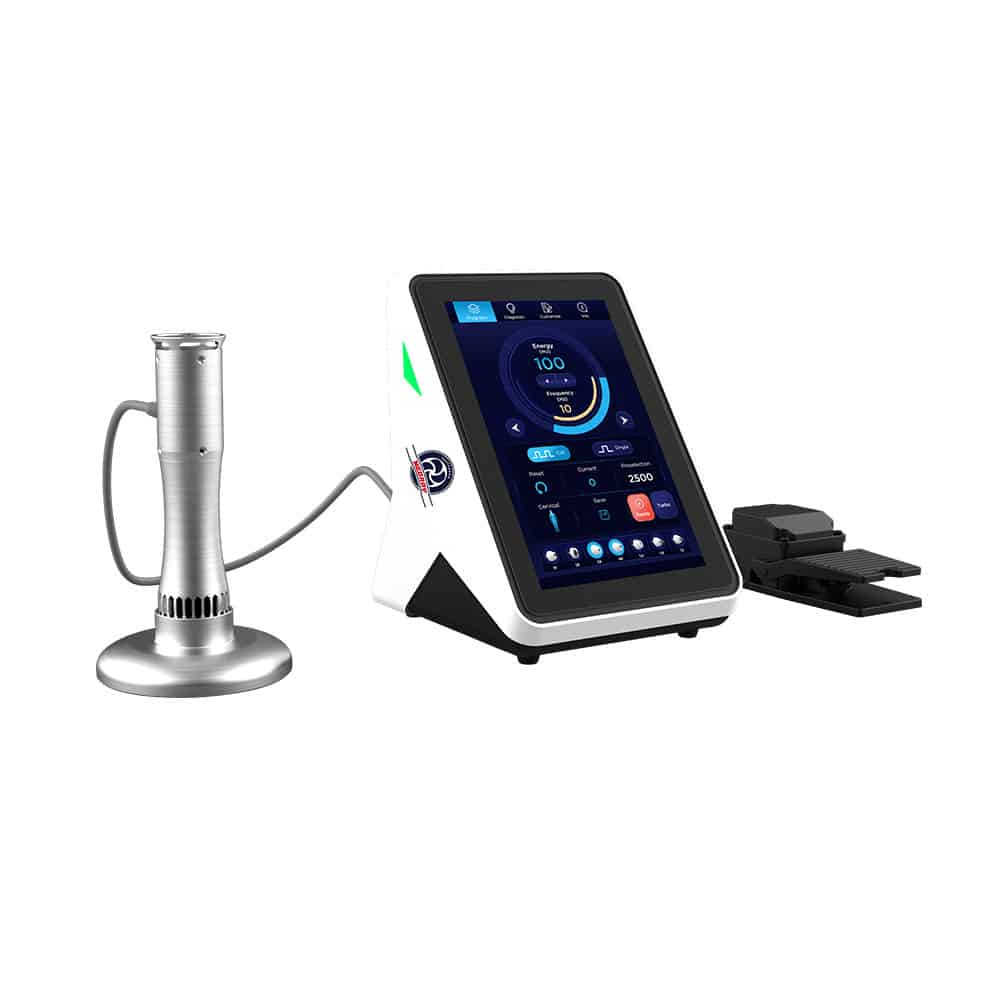
Softshock 2.0 radial pressure wave for physical therapy clinics
Medray’s Softshock 2.0 radial pressure wave device is engineered for healthcare professionals seeking a versatile, non-invasive technology that fits naturally into physical therapy and rehabilitation environments.
Designed to deliver consistent mechanical stimulation with intuitive controls, Softshock 2.0 supports rehabilitation-focused workflows involving soft tissue mobility, tendon-related presentations, localized circulation, and musculoskeletal recovery strategies.
Weighing just 13 lbs, the system is lightweight and portable, making it easy to move between treatment rooms, use across multi-provider clinics, or incorporate into specialized rehabilitation spaces. Each unit includes seven interchangeable treatment heads, allowing Physical Therapists to adapt applications based on anatomical area, patient tolerance, and clinical objective.
Its adjustable soft and hard protocols give providers flexibility to scale intensity gradually, supporting patient comfort while maintaining consistency across treatment sessions.
Comfort Without Compromise: Shockwave Therapy Patients Can Tolerate
Physical therapy patients often present with varying levels of sensitivity, irritability, and movement limitation. Many shockwave therapy systems rely on fixed, high-intensity output that may limit patient tolerance, especially when patients are early in the rehabilitation process.
Medray offers radial pressure wave technology designed with adjustable protocols, allowing Physical Therapists to begin with lower-intensity settings and progress appropriately based on patient response.
This flexibility supports patient comfort across a wide range of body types, sensitivity levels, and rehabilitation stages, helping clinicians incorporate shockwave therapy without interrupting broader plans of care.
Physical therapy shockwave machines for modern rehabilitation clinics
At Medray Laser & Technology, we support Physical Therapists nationwide with evidence-informed, non-invasive technologies designed to complement rehabilitation-focused care.
As a U.S.-based medical device company, Medray engineers radial pressure wave systems for real-world outpatient physical therapy environments, balancing clinical flexibility, patient tolerance, portability, and operational efficiency.
FAQs
What is a physical therapy shockwave machine?
A physical therapy shockwave machine is a device that generates and delivers acoustic or radial pressure waves through the skin into targeted musculoskeletal tissue as part of rehabilitation-focused care. These systems are used by Physical Therapists as a non-invasive modality to support soft tissue mobility, localized circulation, tissue response, and patient tolerance for movement.
In physical therapy settings, shockwave therapy is typically incorporated as a complementary modality rather than a standalone intervention. It may be used alongside therapeutic exercise, manual therapy, functional training, and progressive loading strategies based on clinical judgment and patient presentation.
| Shockwave Type | How It Works |
|---|---|
| Radial Pressure Wave (RPW) | Disperses mechanical energy over a broader surface area, commonly used for superficial and mid-depth tissue applications. |
| Focused Shockwave | Delivers energy to a more targeted depth and is typically used for more localized clinical applications. |
Physical therapy shockwave machines are designed to integrate into rehabilitation workflows with adjustable protocols that allow providers to adapt applications based on anatomical area, patient tolerance, rehabilitation stage, and clinical objectives.
For Medray, the Softshock 2.0 radial pressure wave device is the relevant technology, giving Physical Therapists a portable, adjustable RPW option that can support efficient integration into outpatient rehabilitation environments.
Why Physical Therapists choose shockwave therapy devices
-
Supports active rehabilitation
Radial pressure wave therapy can be integrated alongside therapeutic exercise, manual therapy, and functional training to support movement-focused plans of care.
-
Comfort-focused adjustability
Adjustable energy settings allow Physical Therapists to begin conservatively and modify intensity based on patient tolerance, sensitivity, and rehabilitation stage.
-
Non-invasive modality
Shockwave therapy provides a needle-free, drug-free, non-surgical option that fits well within conservative physical therapy care models.
-
Efficient session timing
Shockwave therapy can often be incorporated into standard visit durations, making it practical for busy outpatient rehabilitation clinics.
-
Versatile rehabilitation applications
Physical Therapists may use radial pressure wave technology with patients presenting with soft tissue irritation, tendon-related sensitivity, muscle tightness, and movement limitations.
-
Compatible with other modalities
Shockwave therapy can be coordinated with Class IV laser therapy, manual therapy, therapeutic exercise, and progressive loading strategies.
-
Supports diversified service models
Many physical therapy clinics evaluate shockwave therapy as part of cash-based or non-covered service offerings aligned with patient demand and clinic sustainability.
-
Practical return on investment
A portable, adjustable shockwave device can support multiple providers, treatment rooms, and rehabilitation workflows without adding unnecessary operational complexity.
Does shockwave therapy hurt for physical therapy patients?
Patient tolerance can vary depending on the area being addressed, tissue sensitivity, and selected settings. The Softshock 2.0 radial pressure wave device includes adjustable soft and hard protocols, allowing Physical Therapists to begin conservatively and modify intensity based on patient comfort.
This adjustability is especially useful in physical therapy environments where patients may present at different stages of recovery, from highly sensitive early-stage cases to more advanced activity-related rehabilitation scenarios.
How do Physical Therapists use a shockwave therapy machine in a clinic?
Physical Therapists may use a shockwave therapy machine before exercise to support tissue mobility and movement tolerance, after activity to support localized tissue response, or as part of a broader session that includes manual therapy and functional training.
The goal is not to replace active rehabilitation. Instead, radial pressure wave technology is used as a complementary tool to support patient participation, progression, and clinical consistency within a larger plan of care.
Physical Therapy Shockwave Therapy Equipment Integrations
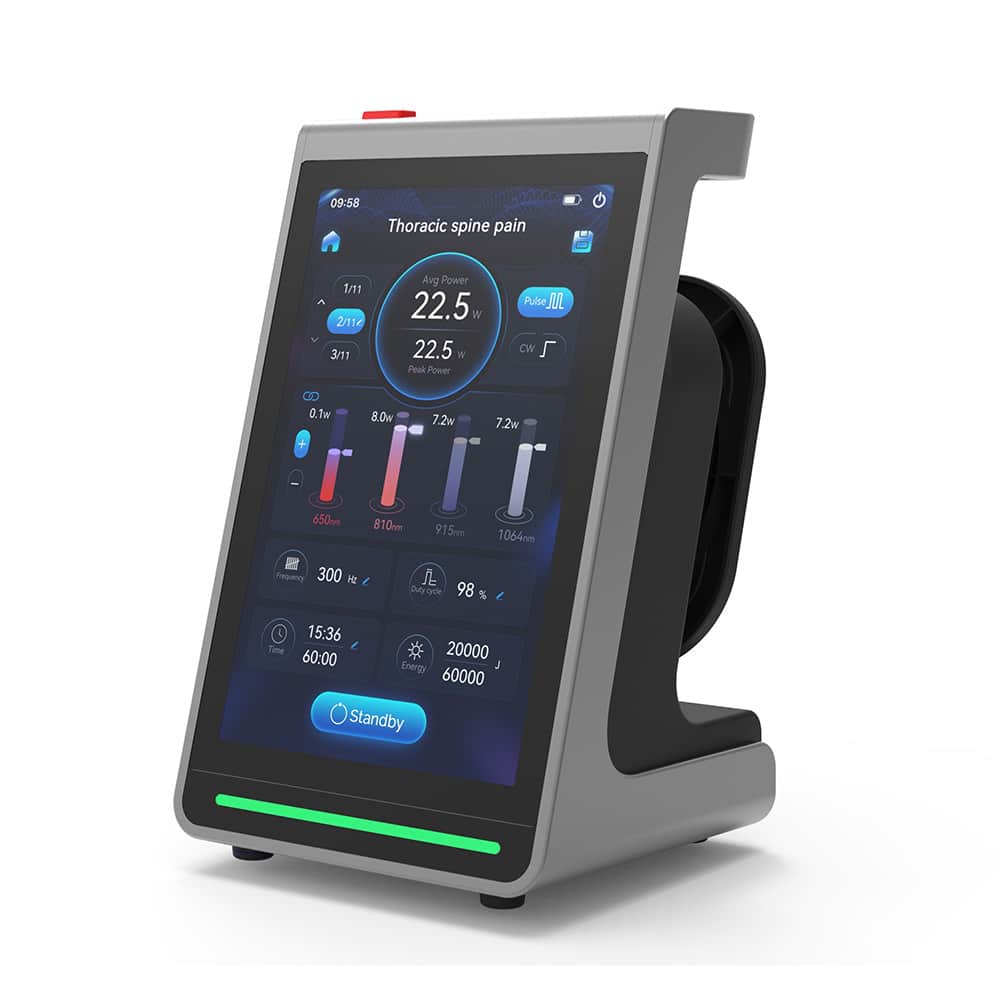
QuantumX
Precision-engineered Class 4 laser for physical therapy care
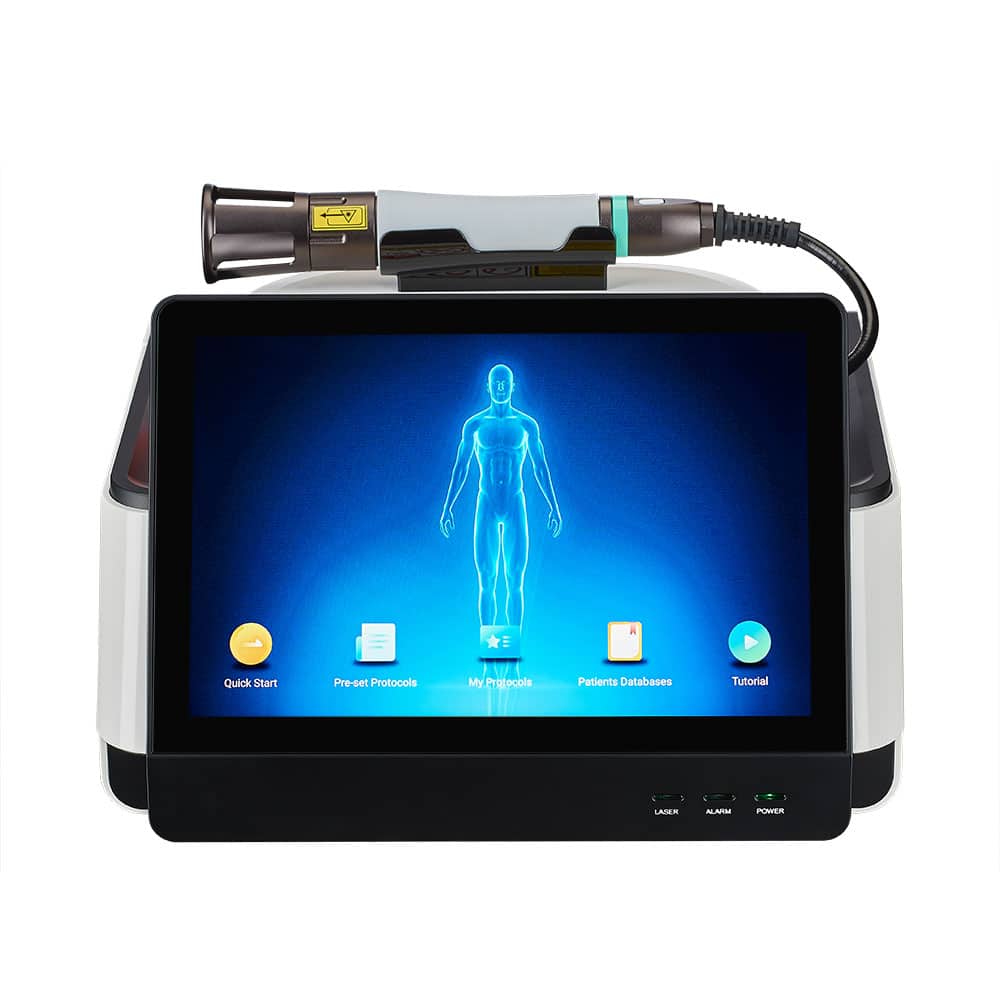
Supermax
High-power laser therapy for demanding rehabilitation workflows
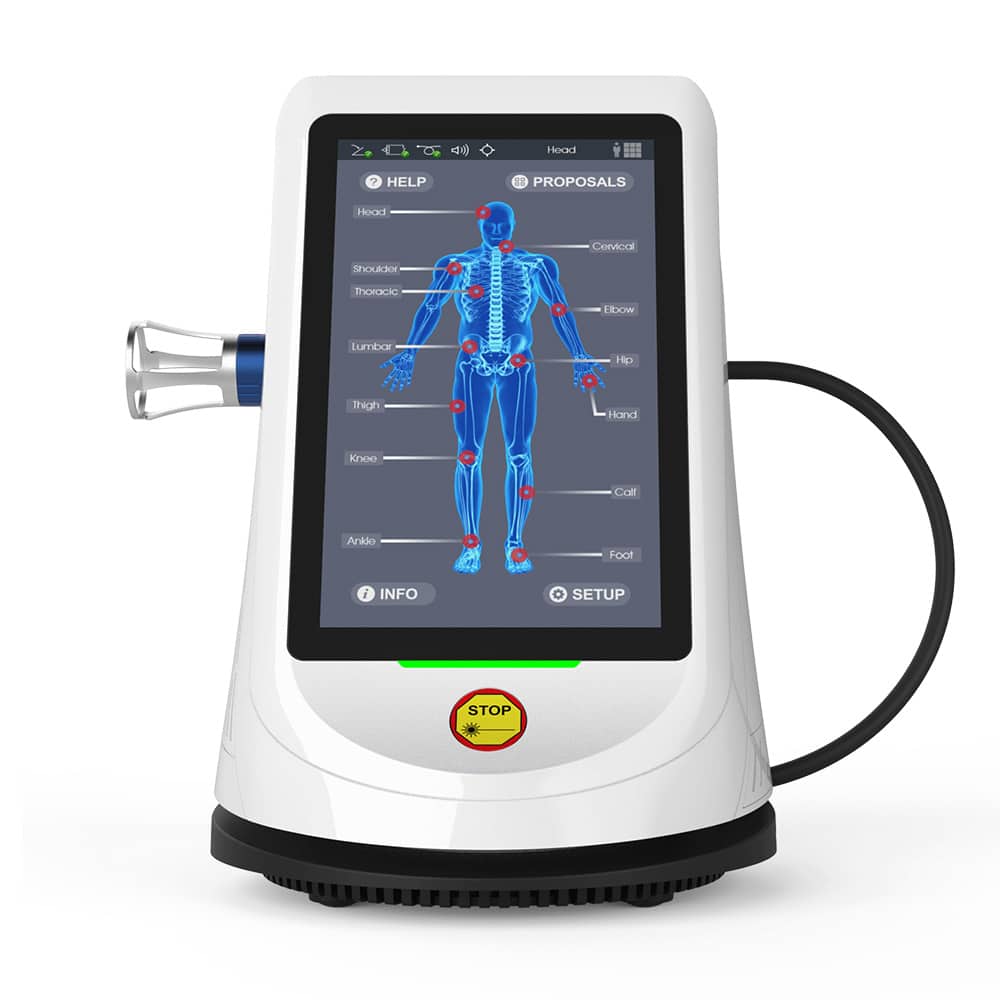
Quad
Core physical therapy performance with 4-wavelength flexibility
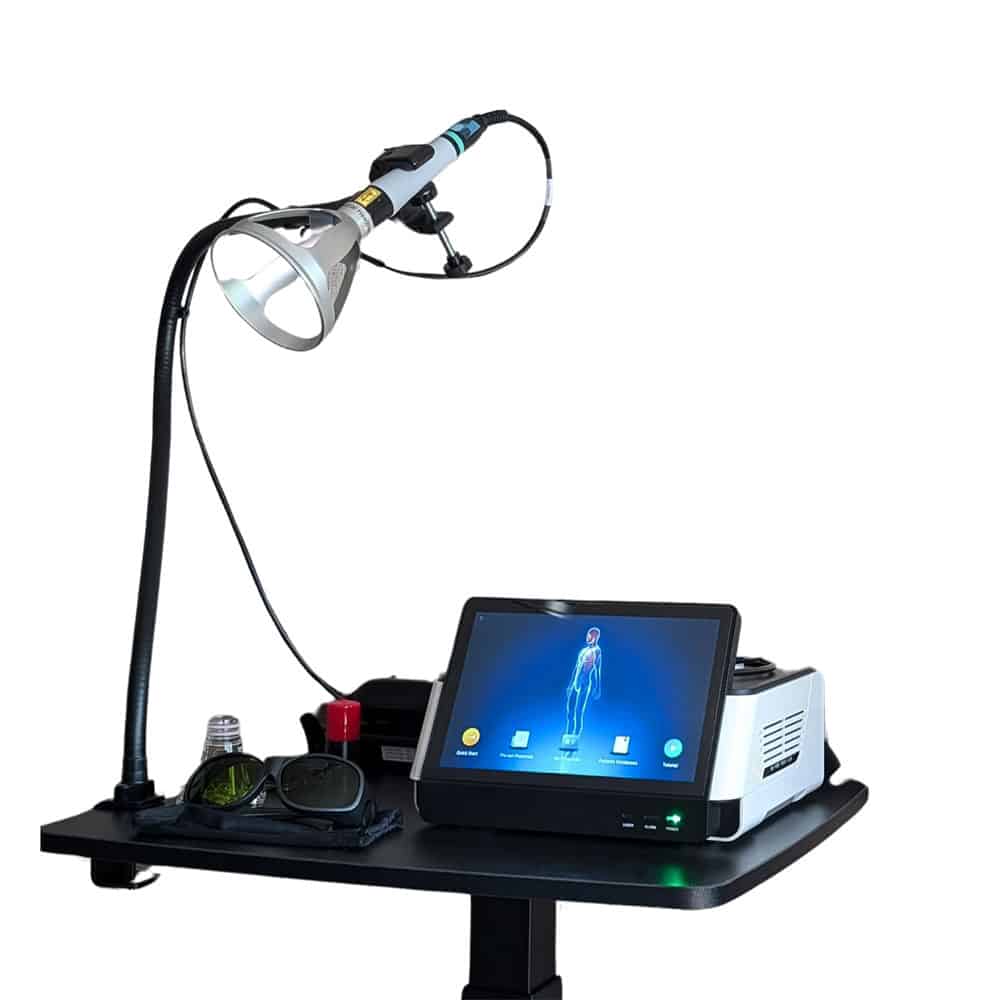
S.T.A.R. Hands-Free Therapy System
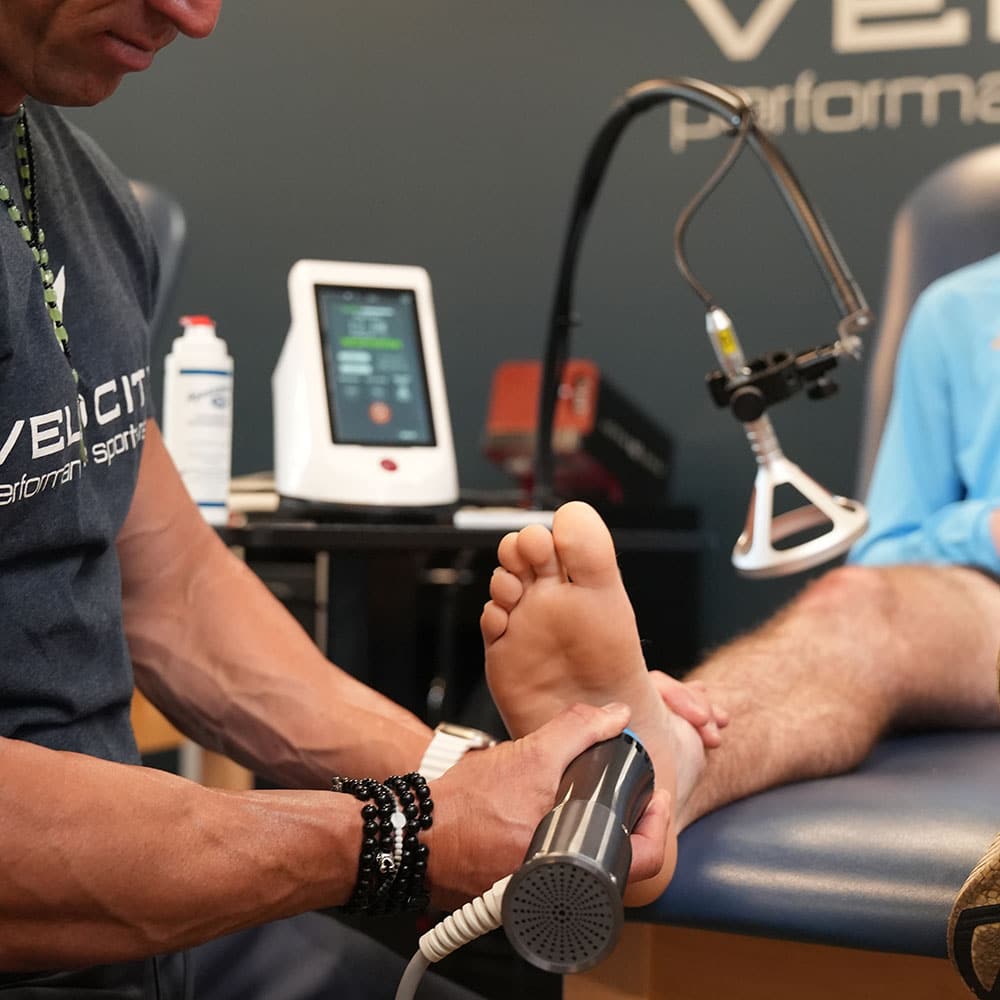
Dual Therapy
Common Clinical Presentations Where Physical Therapists Incorporate Shockwave Therapy
Disclaimer
- Plantar heel discomfort and plantar fascia–related presentations
- Tendon-related sensitivity and tendinopathy presentations
- Rotator cuff–related shoulder discomfort
- Lateral elbow sensitivity and repetitive-use patterns
- Bursal irritation and localized soft tissue sensitivity
- Achilles tendon–related overuse patterns
- Low back and neck soft tissue discomfort
- Myofascial trigger point sensitivity
- Muscle strains and ligament sprains
- Joint stiffness and activity-related discomfort
- Post-operative scar tissue and mobility limitations
Ready to Add Shockwave to Your Physical Therapy Practice?
How does shockwave therapy work?
-
Mechanical stimulation of targeted soft tissue
-
Localized circulation and tissue oxygenation
-
Soft tissue mobility and flexibility
-
Patient tolerance for movement and loading
-
Rehabilitation progression alongside exercise and manual therapy
What Physical Therapists Can Expect from a Shockwave Therapy Device
Flexible treatment options:
Support for active rehabilitation:
Efficient session timing:
Comfort-focused protocols:
Practice growth potential:
Competitive pricing with no hidden costs
Get the shockwave technology you need without overpaying.
Medray offers physical therapy clinics transparent pricing options for the Softshock 2.0 radial pressure wave device, with flexible purchasing and financing solutions designed to support practices of different sizes.
Softshock 2.0 is physical therapy ready and built for providers seeking a cost-conscious, non-invasive radial pressure wave solution that can integrate into rehabilitation workflows, patient care plans, and evolving clinic service models.
Sports and Activity-Related Rehabilitation Support with Shockwave Therapy
Disclaimer
Foot & Heel
- Plantar fascia–related presentations: heel and arch discomfort associated with soft tissue irritation and load-related sensitivity.
- Forefoot nerve sensitivity: including presentations such as Morton’s neuroma and localized nerve-related discomfort.
- Ligament strain and soft tissue irritation: involving connective tissue structures of the foot, particularly after overuse, repetitive loading, or activity-related stress.
Ankle & Lower Leg
- Achilles tendon–related presentations: tendon sensitivity or load-related tissue response involving the posterior ankle.
- Post-sprain soft tissue irritation: localized sensitivity, stiffness, or mobility limitations following ankle sprain presentations.
- Calf muscle strain: gastrocnemius or soleus involvement associated with overuse, sport, or mechanical loading.
- Lower-leg overuse patterns: activity-related soft tissue stress commonly seen in runners, athletes, and active patients.
Knee
- Patellar tendon–related presentations: load-related sensitivity affecting anterior knee structures.
- Iliotibial band–related symptoms: soft tissue irritation commonly associated with repetitive loading activities such as running.
- Medial or lateral ligament strain: supportive use within conservative rehabilitation programs focused on mobility and progressive loading.
- Insertional soft tissue discomfort: tendon or ligament attachment-site sensitivity around the knee.
Upper Leg
- Quadriceps strain: soft tissue sensitivity or overload of the anterior thigh musculature.
- Hamstring involvement: load-related strain patterns associated with sprinting, lifting, sport, or repetitive activity.
- Adductor soft tissue irritation: inner-thigh sensitivity associated with athletic movement, directional changes, or overuse.
Hip & Pelvis
- Gluteal soft tissue irritation: overuse or tensile loading of posterior hip musculature.
- Hip flexor tendon–related presentations: soft tissue sensitivity often associated with repetitive hip flexion activities.
- Lateral hip discomfort: soft tissue irritation involving the lateral hip region, including trochanteric-area sensitivity.
- Iliotibial band–related tension: soft tissue mobility concerns affecting the hip, thigh, or lateral knee region.
Elbow & Forearm
- Lateral elbow sensitivity: tendon-related symptoms associated with repetitive gripping, lifting, or wrist extension.
- Medial elbow sensitivity: inner elbow tendon irritation associated with throwing, gripping, or repetitive use.
- Biceps or triceps insertional discomfort: soft tissue sensitivity near tendon attachment sites around the elbow.
- Forearm overuse patterns: repetitive-use irritation affecting patients involved in work, sport, or daily activity demands.
Shoulder
- Rotator cuff tendon involvement: soft tissue sensitivity affecting shoulder strength, control, or mobility.
- Biceps tendon–related presentations: irritation involving the anterior shoulder or long head of the biceps region.
- Calcific tendon presentations: localized tendon sensitivity where calcific deposits may contribute to discomfort or mobility limitation.
- Posterior shoulder soft tissue stress: mobility or sensitivity concerns affecting shoulder mechanics and functional movement.
Hand and Wrist
- Tendon and ligament strain: soft tissue sensitivity associated with repetitive use, occupational loading, or sport activity.
- Wrist and hand overuse patterns: common in racquet sports, weightlifting, gripping activities, or repetitive task environments.
- Localized soft tissue irritation: sensitivity involving smaller anatomical regions where careful, adjustable application is important.
What are the benefits of using a physical therapy shockwave machine?
- Non-invasive application: no needles, incisions, or surgical intervention, allowing integration into conservative physical therapy plans of care
- Efficient treatment sessions: shockwave therapy can be incorporated into standard visit durations without disrupting patient flow
- Comfort-focused adjustability: soft and hard protocols allow clinicians to scale intensity based on patient tolerance
- Supports movement-focused care: may help patients better tolerate manual therapy, therapeutic exercise, and progressive loading strategies
- Works with other modalities: can be combined with Class IV laser therapy, manual therapy, exercise, and functional training
- Practical clinic integration: portable design supports use across multiple rooms, providers, and rehabilitation settings
- Cash-based service potential: may support non-covered service offerings as clinics diversify beyond traditional reimbursement models
Physical Therapy Shockwave Machine Pricing & Purchasing Options