
More Than Belief: The Science of Shockwave Therapy in Tissue Healing Introduction: From Skepticism to Science
Shockwave in Tissue Healing
Explore the Science of Medray’s Softshock 2.0 RPW
What Exactly Is Shockwave Therapy?
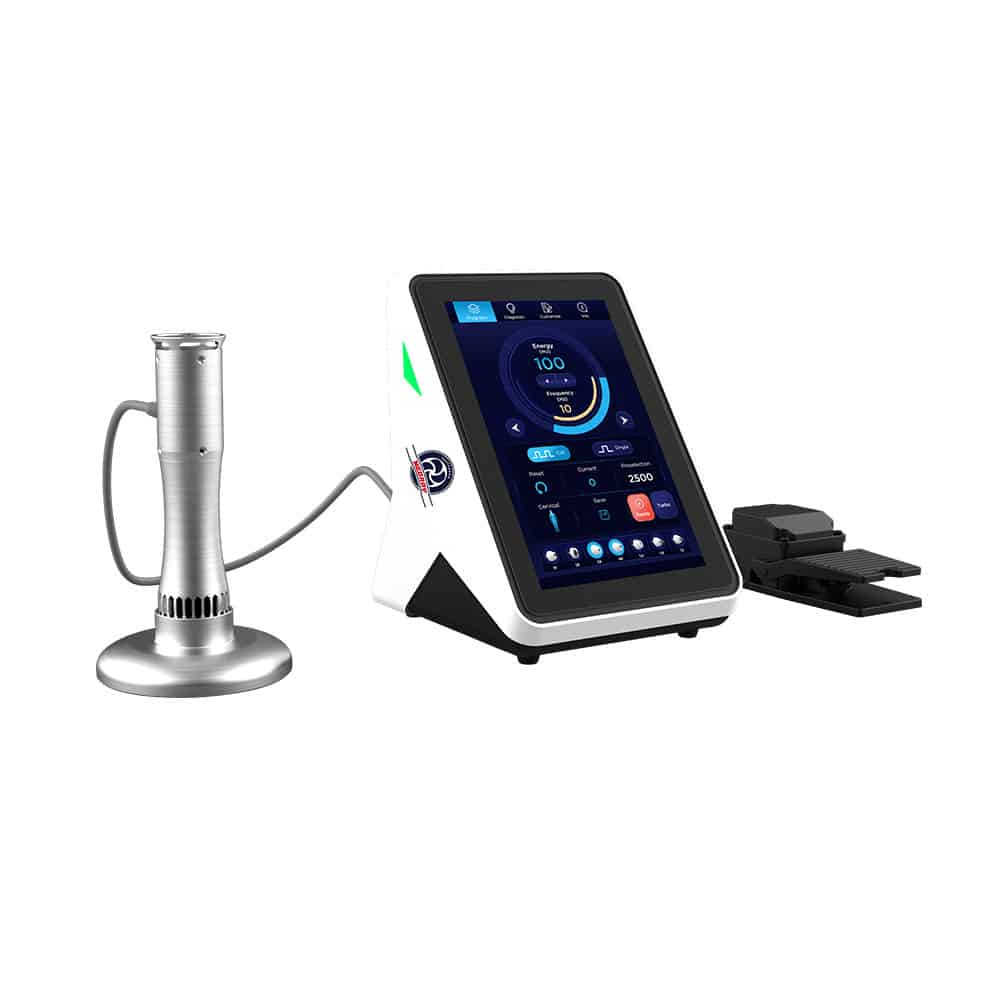
Shockwave therapy refers to the use of acoustic energy—high-pressure soundwaves—delivered into tissue via a handpiece or applicator. While the term “shockwave” covers several technologies, Medray’s Softshock 2.0 utilizes radial pressure waves (RPW), sometimes abbreviated as rESWT (radial extracorporeal shockwave therapy).
Unlike focused shockwaves, which penetrate deeply into small focal points, radial waves disperse energy across a broader, more superficial area. This distinction makes RPW particularly effective for stimulating circulation, modulating pain, and activating healing processes without invasive procedures.
How Do Radial Pressure Waves Affect Tissue?
When Softshock 2.0 delivers acoustic impulses, each one generates both a positive pressure peak and a negative pressure drop. This mechanical energy is imparted to the extracellular (and intracellular) matrix, where tissue components are disrupted in a controlled way. The body then initiates a natural response, which may take several days to unfold, ultimately enhancing circulation, stimulating neural pathways for pain modulation, and prompting adaptive tissue healing over time—without causing injury.
In short, shockwave therapy provides a mechanical signal that the body translates into a biological response—a core principle in modern physical medicine.
How Is Shockwave Therapy Different from Ultrasound or Manual Therapy?
- Ultrasound Therapy: While also acoustic in nature, ultrasound delivers much lower pressure—up to 1,000 times less pressure than shockwave. Its physiological effects differ, often making shockwave a stronger choice for stimulating tissue healing.
- Manual Therapy: Techniques like massage or even traditional gua sha stimulate superficial circulation, but they can’t comfortably reach deeper tissues without significant discomfort. Shockwave therapy, by contrast, can deliver energy up to 5 cm below the skin comfortably, making it more efficient and scalable.
What Does the Research Say About Shockwave Therapy?
- Shockwave is widely used in conservative physical medicine—chiropractic, physiotherapy, podiatry, and sports medicine.
- Clinical protocols are simple and standardized: generally 3–8 sessions total, one session per week, lasting only 5–7 minutes per treatment.
- Outcomes align with patient demand for non-invasive, drug-free options.
Why Should Clinicians Confidently Integrate Softshock 2.0 Shockwave Therapy?
Dr. Christopher Proulx emphasizes that integration is straightforward: “Find the area of complaint, set the protocol, and move the applicator in small circles”. With built-in presets and minimal training requirements, the Medray Softshock 2.0 makes it easy to scale across multiple providers in a clinic. For healthcare professionals, the benefits include:
- Simplicity: Few parameters (pressure, impulses, frequency) mean no steep learning curve.
- Efficiency: Sessions are quick, enabling higher patient throughput.
- Comfort: Softshock 2.0'selectromagnetic system allows higher energy delivery while maintaining patient comfort
- Versatility: Multiple applicators adapt to various body areas and tissue depths.
Addressing Skepticism: Science Over Hype
- The mechanical-to-biological cascade is well documented
- Physiological parallels with exercise provide a relatable framework.
- Its longstanding use in medicine (originating in lithotripsy for kidney stones) underscores its safety and scientific credibility.
Conclusion: The Science of Shockwave Therapy With Medray Softshock 2.0
Solutions for evidence-based shockwave care
Take the next step with science-backed shockwave therapy
Elevate your clinic with Medray’s Softshock 2.0 radial pressure wave device—built on proven acoustic science. With quick sessions, standardized protocols, and strong research support, shockwave therapy helps clinics expand services, boost efficiency, and meet patient demand for non-invasive solutions.
Ready to explore shockwave therapy for your practice? Call us at (573) 745-1086 or visit our Contact Us page to request more information or schedule a hands-on demo.