
What Makes Grip-Limited Lateral Elbow Pain Unique?
Lateral elbow complaints often affect the patient’s ability to perform grip-based activities such as lifting, carrying, typing, racquet sports, or occupational tasks requiring fine motor repetition. Because symptoms commonly appear during mechanically provoked gripping, clinicians must determine:
- The patient’s daily or task-specific limitations
- The aim of the current visit
- The most appropriate measurement strategy
- Whether laser or shockwave may support the session’s goals
How Should Clinicians Identify the Aim for Today’s Visit?
- Improve the patient’s ability to complete a set task
- Reduce symptoms during gripping
- Verify tolerance before progressing load or activity
Which Measurement Should Be Used for Tracking Progress?
- Dynamometer grip test using a standardized elbow and wrist position
- Resisted wrist extension task performed the same way each visit
- A task-specific proxy measure, such as a job-related motion or functional grip action, used identically each session
How Are Shockwave and Laser Integrated Into the Visit?
-
Shockwave (Targered Application)
A brief, targeted application to the patient’s maximal tender zone is recommended when symptoms are:
- Localized
- Mechanically provoked
- Easily reproducible
Shockwave is often chosen in cases where clinicians want to observe how targeted mechanical stimulation influences the same grip or wrist-extension measure.
-
Laser (Regional Application)
A short laser application is delivered across the extensor mass when:
- Symptoms are broader or more diffuse
- The visit aim is preparation for loading
- The goal is to support circulation, tissue stimulation, or comfort before exercise
Laser therapy is FDA-cleared for increasing circulation, stimulating tissue, and providing pain relief , all of which may support movement readiness in grip-limited presentations.
-
Fixed Window Requirement
Regardless of which option is used, the intervention window remains fixed remains fixed. This protects scheduling, reduces variation, and ensures that re-testing occurs under predictable conditions.
What Happens Immediately After the Intervention?
Following the laser or shockwave application, the clinician conducts an immediate re-test using the same measurement selected earlier. Documentation includes:
- The post-application measurement value
- A brief descriptor of the patient’s experience (e.g., “no change,” “improved,” “similar to last visit”)
- Start and stop times of the intervention block
- Patient acceptance or declination when the service is considered non-covered
How Do Clinicians Decide on Progression?
- Continue the same approach
- Modify the intervention block for the next visit
- Omit the intervention block and proceed directly to loading
Why Does This Structure Matter in a Busy Clinical Environment?
- Maintain schedule control
- Produce interpretable patient data
- Support clearer decision-making
- Keep documentation uniform across the team
- Integrate modalities without creating separate “laser days” or “shockwave days”
Explore our Class 4 Lasers and Shockwave Therapy Device
Laser
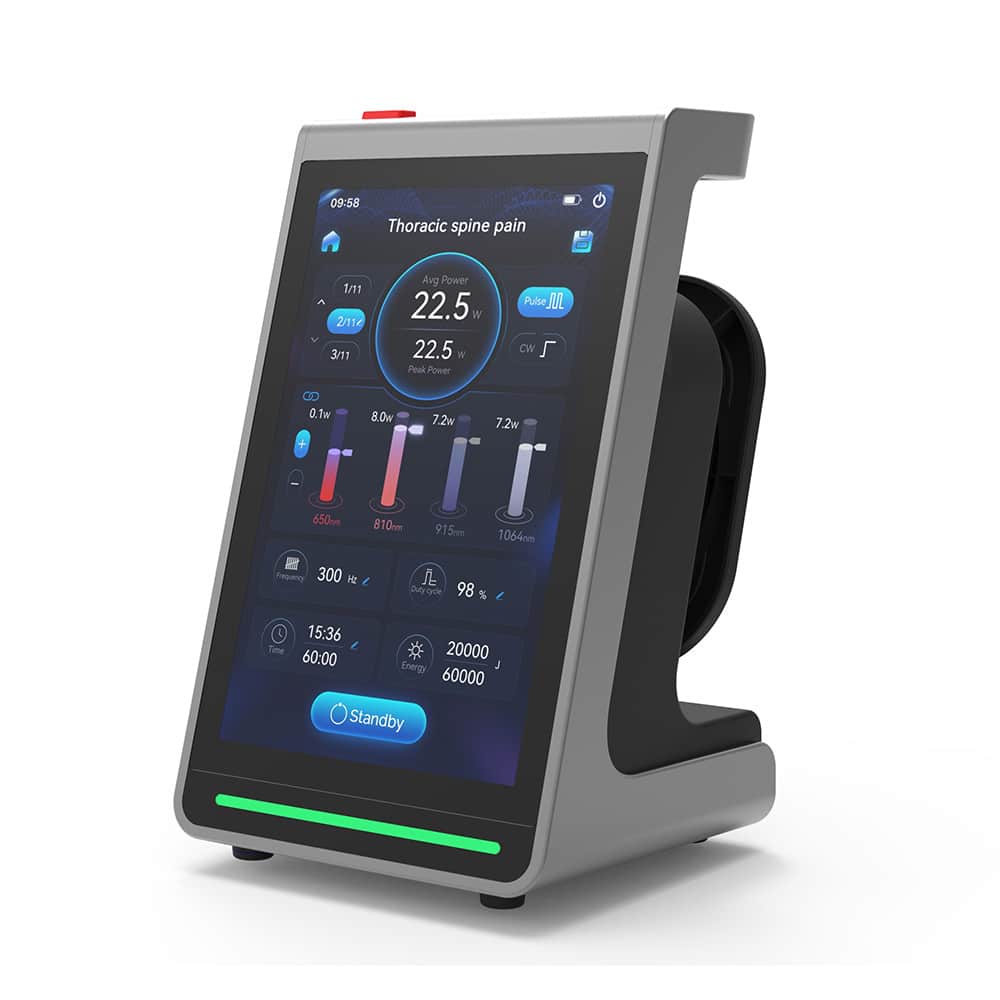
Explore Medray’s Class 4 Lasers
Medray’s Class 4 therapeutic lasers are designed to support circulation, tissue stimulation, and pain relief through a streamlined, repeatable workflow. Discover how laser therapy integrates seamlessly into busy clinics while providing a contact-free option for sensitive presentations.
Shockwave
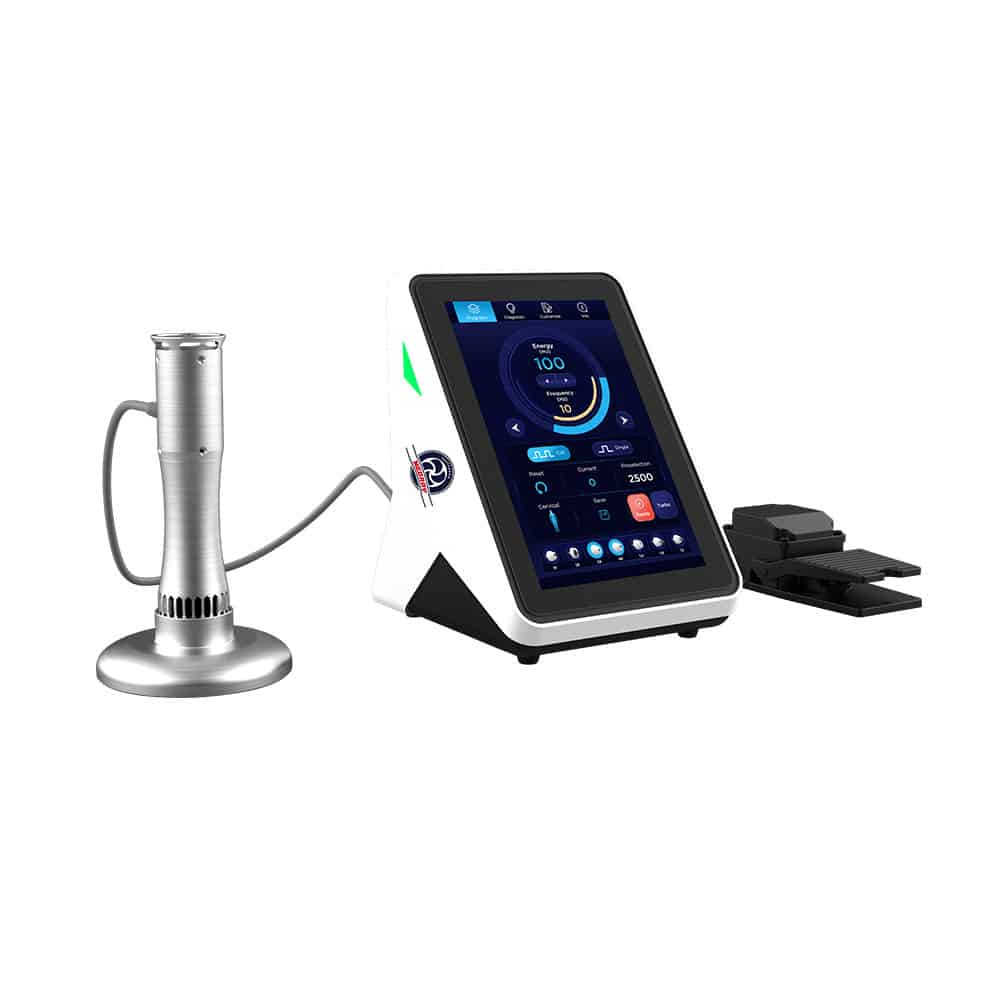
Explore Softshock 2.0 (RPW)
Support for consistent, measurable elbow care delivery
Take the Next Step Toward Structured Elbow Pain Protocols
Bring clarity and structure to lateral elbow care with standardized visit-level pathways for managing grip-limited presentations. This framework helps clinics integrate laser and shockwave therapy within FDA-cleared parameters—supporting circulation, comfort, and repeatable movement preparation.
Call us at (573) 745-1086 or visit our Contact Us page to schedule an elbow-focused workflow walkthrough and see how structured, measurable care pathways can elevate your clinic.