
Why Is Dose and Parameter Standardization So Critical in Clinical Settings?
Implementation becomes unstable when the delivered dose for laser and shockwave therapy varies from clinician to clinician or from day to day. Even small deviations in energy delivery, duration, or setup can cause inconsistency in clinical outcomes, workflow inefficiency, and difficulty tracking progress across visits.
To reduce avoidable variation, it’s essential to create clinic parameter sets—often called protocol cards—that help make laser and shockwave treatment delivery reproducible, auditable, and consistent. These sets are not designed to replace clinician judgment but to make routine delivery stable, measurable, and efficient.
When laser and shockwave parameters are standardized, clinics can ensure that energy delivery and patient engagement are consistent across practitioners and visits, enabling data-driven improvement and higher-quality patient care.
-
How Should Clinics Organize and Document Parameter Sets?
Organize by Region with Explicit Parameters and Time
Begin with the regions you see most frequently—such as the low back, rotator cuff, lateral elbow, patellar tendon, and Achilles region. For each region, write a parameter set that specifies:- The device settings your clinic will use for laser and shockwave therapy
- A fixed delivery window that matches your equipment and schedule
- Laser therapy: typically 6–8 minutes per region
- Shockwave therapy: typically 8–10 minutes per region
-
When Should Clinics Make Edits to Their Parameter Sets?
Keep Edits Out of Clinic Hours
If you identify a need for a change, make a note and bring it to a brief end-of-day review. Discuss the update, apply it once to the parameter set, and communicate the change to the team.
Avoid mid-visit edits that are not recorded on the protocol card—these are a common source of drift that undermine standardization in laser and shockwave therapy delivery. Once a parameter set is established, it should remain fixed until a deliberate review prompts a revision. -
How Can Clinicians Ensure Dose Relates to Measurable Outcomes?
Tie Every Parameter Set to One Objective Re-test
Dose matters only when it can be related to something observable and measurable. Select one objective re-test that reflects the visit’s functional task constraint and can be applied consistently across sessions and clinicians using laser or shockwave therapy.
Examples include:- Shoulder region: forward-elevation angle or onset of a painful arc
- Patellar tendon: single-leg decline squat with set depth/tempo
- Achilles: heel-raise count
- Lateral elbow: dynamometer grip strength
-
What Is a “Weekly Drift Check,” and Why Does It Matter?
Run a Weekly Drift Check (5 minutes)
Each week, review three fidelity metrics by region:- Time fidelity: Average actual minutes versus the intended delivery window
- Set integrity: Frequency of “parameter set changed during visit”
- Measurement fidelity: Proportion of notes including the designated re-test
This quick audit helps maintain clinical reliability and ensures the protocol cards continue to serve as stable anchors for laser and shockwave therapy delivery. -
How Should Clinics Approach Revisions Without Reintroducing Variability?
Revise Deliberately, Then Hold Steady
When data or outcomes suggest a better approach, update the card once—then maintain that version. Avoid serial micro-tweaks that gradually reintroduce variability into the system.
Consistency across time and staff is the cornerstone of meaningful data interpretation in laser and shockwave therapy. Holding steady between updates allows teams to identify real trends rather than artifacts of inconsistent delivery.
Why Does Parameter Standardization Matter for the Entire Clinic?
- Control dose and time for consistent outcomes
- Make records comparable across patients and practitioners
- Enable faster hand-offs between team members
- Ground decisions in observable change rather than recollection
Explore our Class 4 Lasers and Shockwave Therapy Device
Laser
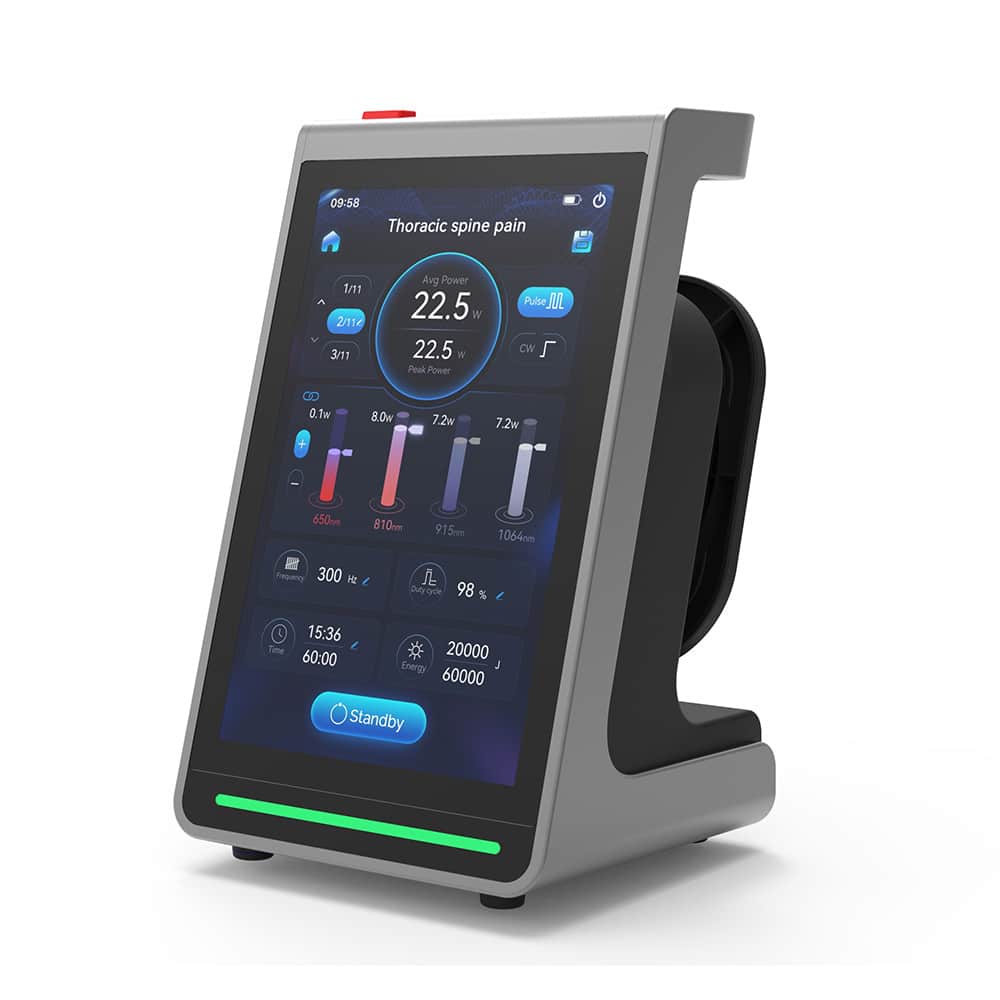
Explore Medray’s Class 4 Lasers
Medray’s Class 4 therapeutic lasers are designed to support circulation, tissue stimulation, and pain relief through a streamlined, repeatable workflow. Discover how laser therapy integrates seamlessly into busy clinics while providing a contact-free option for sensitive presentations.
Shockwave
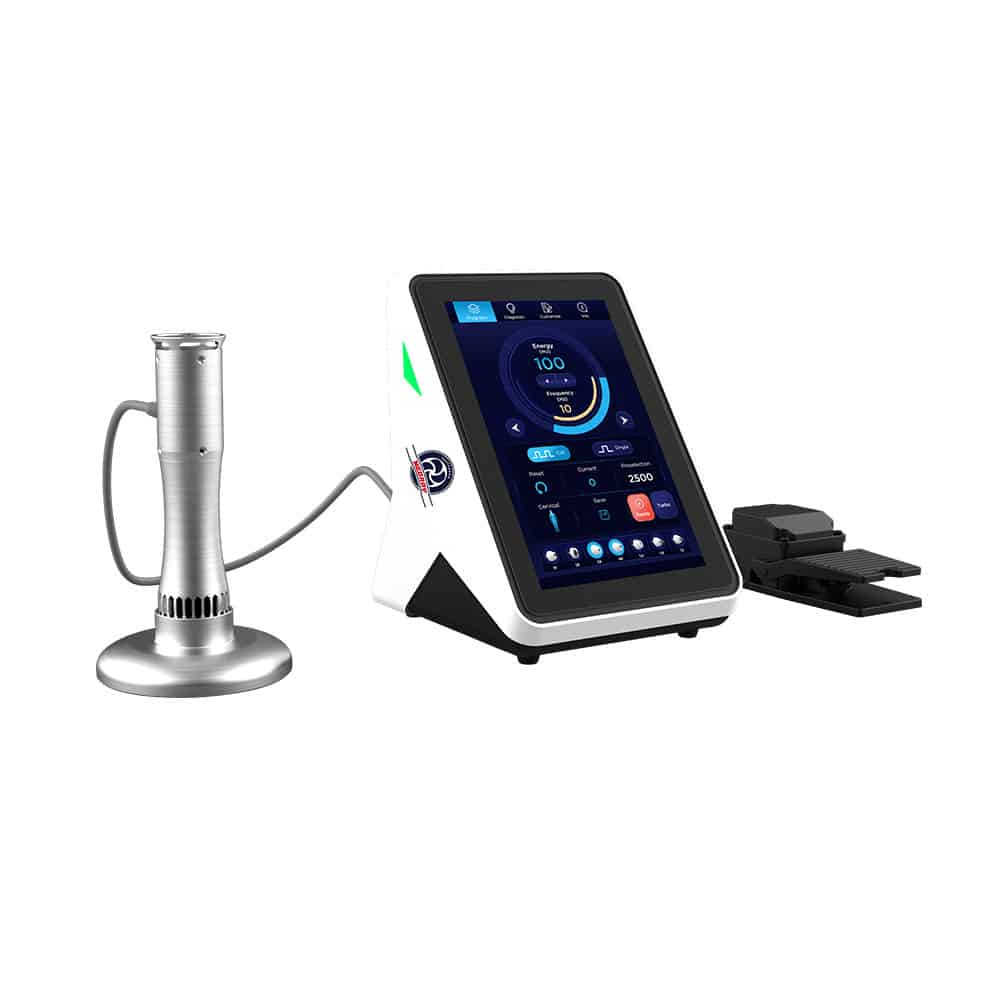
Explore Softshock 2.0 (RPW)
Solutions for consistent, measurable laser and shockwave delivery
Take the Next Step Toward Protocol Precision in Your Clinic
Call us at (573) 745-1086 or visit our Contact Us page to schedule a hands-on walkthrough and see how dose and parameter standardization can elevate your laser and shockwave protocols.