
Add Without Disruption: Integrating Laser & Shockwave in Clinics. Why Should Adding a Modality Make Your Day Easier, Not Busier?
Integrations
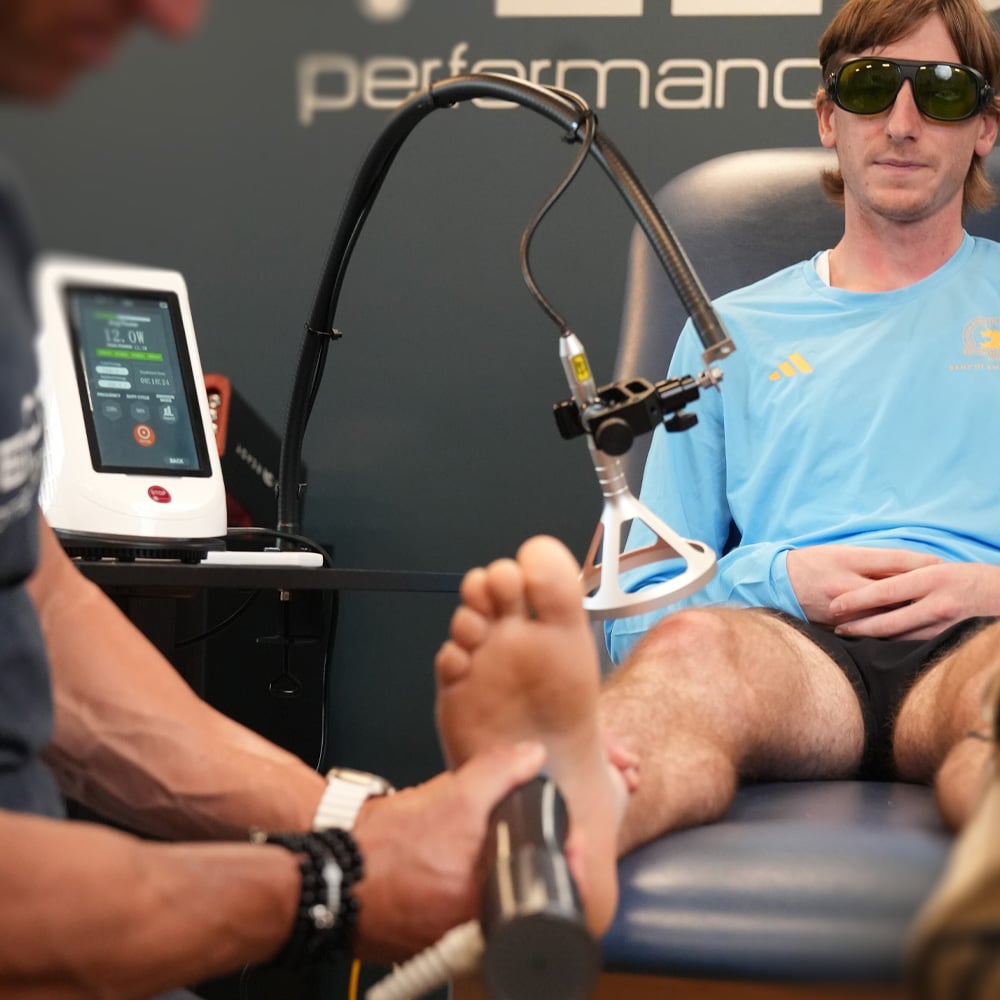
Discover Medray’s Class 4 Lasers and Softshock 2.0 RPW
Learn how Medray’s Class 4 therapeutic lasers and Softshock 2.0 radial pressure wave device can support circulation, tissue stimulation, and pain relief while fitting seamlessly into your clinic workflow.
How Do You Identify the Right First Use Cases?
Instead of rolling out laser or shockwave for every patient, narrow the initial applications to two or three common scenarios you already see daily. For example:
- A subacute shoulder ready for progression
- A chronic Achilles tendon still symptomatic under load
- A low back case stalled after early improvement
- Laser therapy: Regional application in the 6–8 minute range
- Shockwave therapy: Focal mechanical stimulus in the 8–10 minute range
Why Is Re-Testing Non-Negotiable?
Every integration should include a functional re-test immediately after application. This step is essential for protecting clinical flow and determining whether the workflow delivers value.
Examples of functional re-tests include:
- Grip strength for lateral elbow discomfort
- Single-leg decline squat for patellar tendon
- Step-down or sit-to-stand for lower quarter
- Painful arc for shoulder mobility
The clinician applies the modality, re-tests the same sign, and documents both the objective change and the patient’s reported perception, along with start and end times. The goal is not research-level data collection but rather real-time feedback for workflow validation.
What Does This Look Like in Practice?
Consider a carpenter with chronic lateral elbow pain returning for visit three. The clinician:
- Uses grip strength as the functional sign.
- Delivers a short, focused shockwave dose to the tender region.
- If sensitivity limits tolerance, follows with a brief laser application to the extensor mass.
- Records changes in strength, pain perception, and time.
- Continues with the exercise progression planned for that day.
This simple, repeatable process produces measurable outcomes such as increased strength, reduced pain during equivalent strength output, or longer duration of activity before symptoms return.
How Do Clinics Avoid False Starts?
- Attempt to use the new tool for every patient immediately
- Fail to define team roles and responsibilities
Instead, start with a two-week trial focused on narrow scenarios. Place a simple checklist at each treatment station to ensure identical steps regardless of who’s on shift. Revisit after ten minutes on day one and again after the first week.
By the time you’ve logged 10–20 sessions, you’ll know what works, what needs refinement, and whether the workflow should expand into more visit types.
What’s the Big Picture of Integration?
Successful integration isn’t about leaps—it’s about small, repeatable wins. When implemented with discipline:
- Your schedule remains intact
- Your documentation improves
- Your staff stops asking, “Is today the day we add the new thing?”
By framing integration this way, laser and shockwave become tools that support—not disrupt—your clinic’s operations.