What Does ROI Really Mean in Healthcare?
When most clinicians or practice owners think about return on investment (ROI), the conversation often stops at cost, break-even points, and reimbursement models. While these financial markers matter, they tell only part of the story.
For providers in physical medicine, chiropractic, veterinary, and rehabilitation settings, ROI must be viewed more broadly. It includes not just the direct revenue stream, but also the indirect benefits—such as new patient acquisition, higher per-visit revenue (allowing you to see fewer patients while maintaining profitability), time efficiency, improved clinical outcomes, and even stronger staff morale. In many ways, it’s about modernizing your practice to enhance not only patient outcomes but also your team’s job satisfaction.
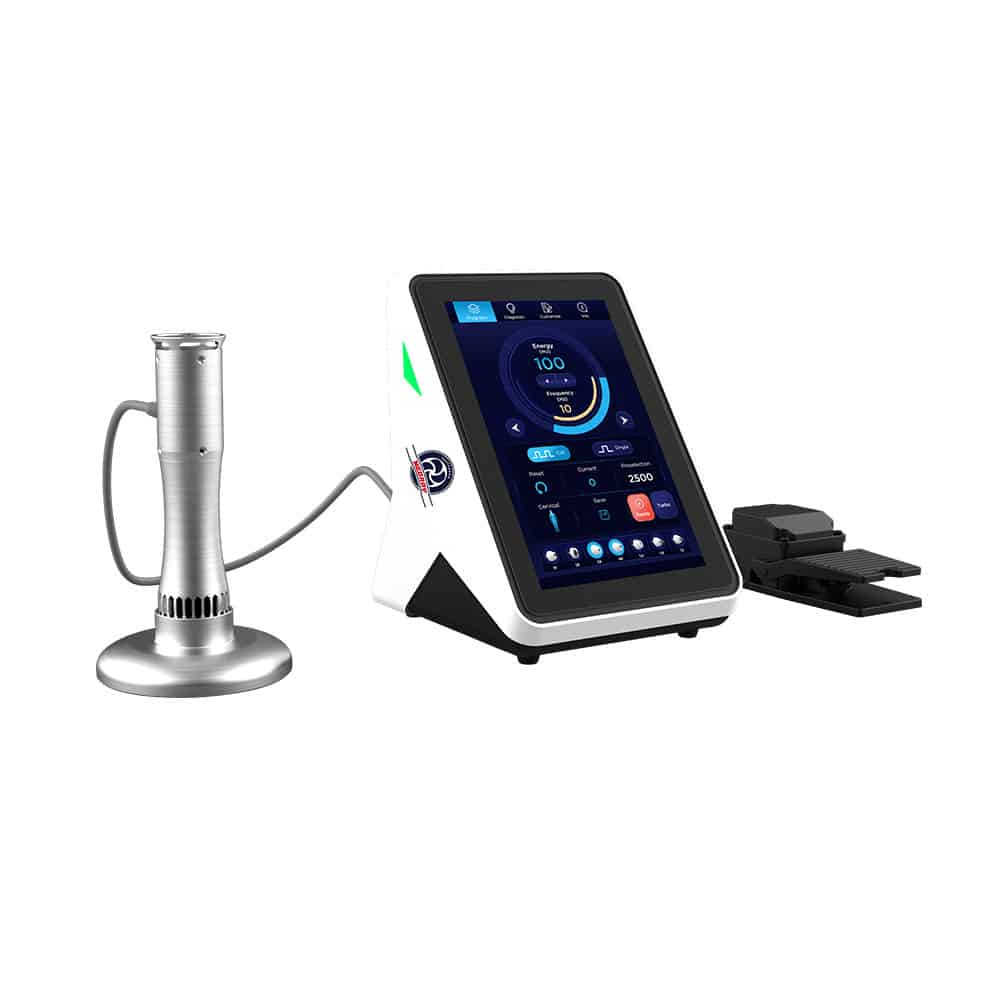
Medray’s portfolio of high-powered Class IV lasers and radial pressure wave (RPW) systems is designed with this larger picture in mind. They are not just tools that generate revenue—they are tools that elevate care, streamline operations, and help clinics thrive in today’s increasingly cash-based healthcare landscape.
How Do Medray Systems Generate Immediate Cash Flow?
One of the most overlooked aspects of ROI is time-to-cash return. Unlike services tied to insurance reimbursement—which often involve pre-authorizations, denial risk, and 30–60+ day billing cycles—laser therapy and radial shockwave therapy are increasingly recognized as high-value, point-of-service offerings.
For patients, this means transparent pricing and accessible care plans. For providers, it means:
- Immediate cash flow without insurance bottlenecks
- Predictable revenue from packages or per-session payments
- Rapid scalability without adding staff or space
Consider this:
How Does ROI Expand Beyond Revenue?
- Expanded Conditions & Patient Base: Research has explored laser and radial pressure wave technologies across a range of musculoskeletal presentations, including joint discomfort, post-surgical recovery, myofascial restrictions, nerve-related symptoms, plantar fascia-related discomfort, and muscular trigger points. These references reflect research and clinical discussion and do not imply clearance or approval for specific conditions.
- Increased Per-Visit Value: If your average patient visit is $65, integrating a $55 laser or shockwave session can raise that to $120–$150+—without extending visit times dramatically. These sessions typically take only 5–10 minutes and can be performed by clinical assistants, allowing the clinician to move on to the next patient.
- Patient Retention & Referrals: Positive patient experiences can support word-of-mouth referrals and contribute to long-term practice growth.
(Disclaimer: The FDA has cleared therapeutic lasers for increasing circulation, tissue stimulation, and pain relief. Some of the use cases described above reflect how clinicians may apply laser therapy in practice, based on peer-reviewed research. This information is provided for educational purposes only and does not imply FDA clearance or approval for specific conditions.)
Why Does Efficiency Matter in ROI?
- Reduced Manual Therapy Time: Radial shockwave can prepare tissue in 6 minutes versus 20 minutes of manual therapy. While it may not eliminate manual therapy, it significantly reduces the load—often shifting it from the specialized clinician to an assistant or allowing it to be billed under another code.
- Hands-Free Operation: Lasers continue working while staff provide other services, creating a multiplier effect.
- Better Staff Engagement: Teams become more energized when they have tools that simplify workflows and improve outcomes.
This kind of efficiency doesn’t just increase profit margins—it boosts staff retention, patient flow, and overall scalability.
How Does Medray Compare to Competitors?
Many providers assume all laser and shockwave systems are priced similarly—but Medray has taken a different approach.
- Lower Entry Cost: Medray devices are typically priced up to 50% less than competing systems.
- Faster ROI: Providers often reach profitability in half the time compared to competitor devices—creating a quicker path to reinvest and add additional systems as implementation improves.
- Higher Margins: Hands-free systems reduce labor costs, allowing clinics to maintain stronger per-session profitability.
Financing also plays a critical role. A typical device payment is around $400 per month. Selling just one therapy package (approx. $600) not only covers that cost but creates immediate profit. That kind of leverage accelerates growth without burdening cash flow.
Is ROI Also About Reputation and Growth?
Yes. In fact, some of the greatest returns aren’t seen on a balance sheet at all.
When clinics add modern, non-invasive services, they become known as forward-thinking leaders in their community. This has ripple effects:
- New Patients: Patients actively search for providers offering advanced technology.
- Professional Referrals: Physicians, PTs, and even surgeons refer to providers who offer modalities outside their own scope.
- Practice Differentiation: A clinic that integrates Class IV laser and radial shockwave therapy distinguishes itself in an increasingly competitive market.
In this way, ROI is also a branding and marketing story—one that pays dividends in visibility, trust, and long-term practice growth.
What’s the True Definition of ROI for Clinicians?
- Improving patient outcomes through modern modalities
- Generating immediate and recurring revenue streams
- Increasing per-visit value without adding staff
- Expanding conditions supported and patients served
- Enhancing staff morale and clinic culture
- Building a sustainable, growth-oriented reputation
Ultimately, ROI is not a one-time calculation. It’s a continuous cycle of value that begins the moment a device enters your practice and continues to grow as patients share their experiences, staff become more efficient, and your community sees you as a leader in advanced, non-invasive care.
Conclusion: The Science of Shockwave Therapy with Medray Softshock 2.0
Laser
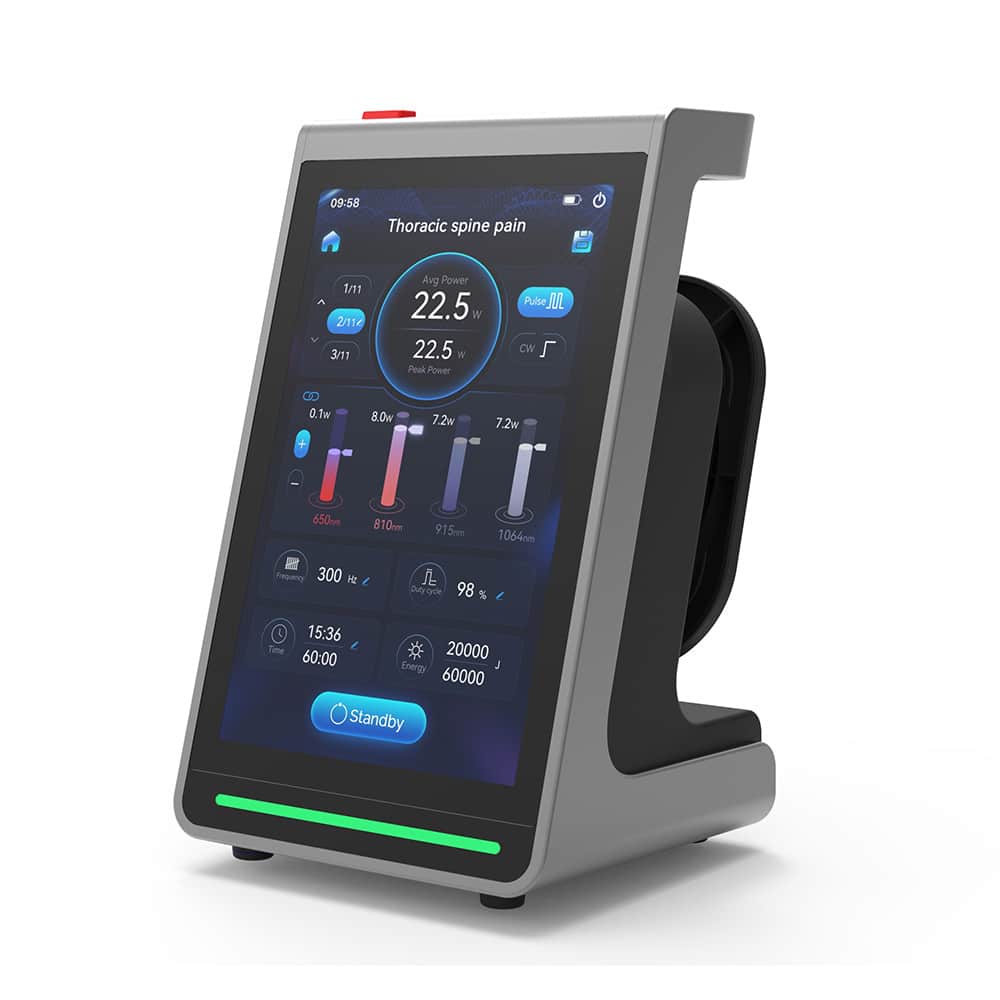
Explore Medray’s Class 4 Lasers
Shockwave