
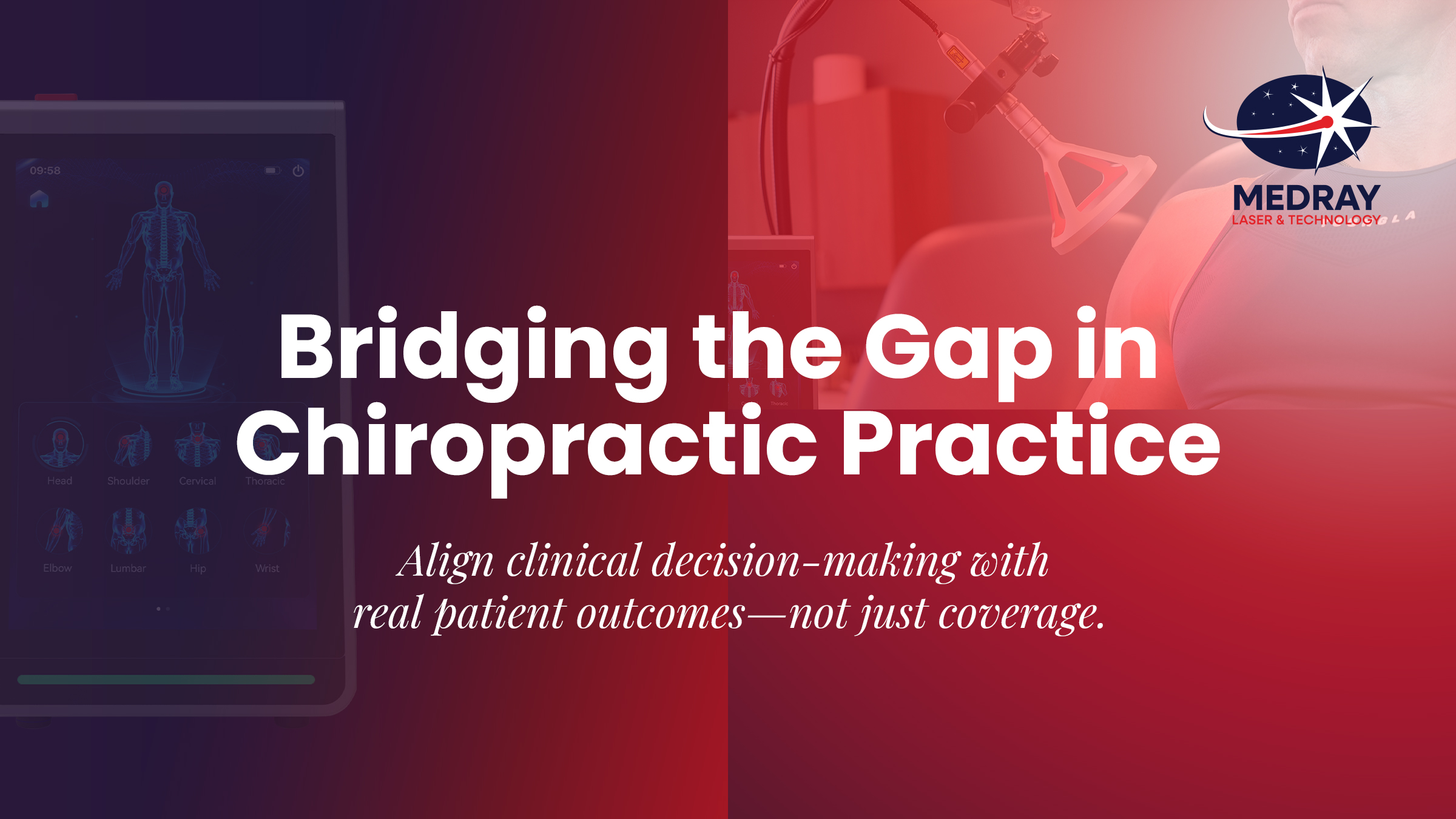
When Guidelines Don’t Match the Patient in Front of You
Clinical guidelines are designed to standardize care, reduce unnecessary variation, and promote evidence-based decision-making. In chiropractic and musculoskeletal (MSK) care, they provide a valuable baseline for managing common conditions such as low back discomfort and mobility limitations.
However, as Dr. Christopher M. Proulx highlights, these guidelines are not always built for the complexity of real-world patient presentations. They are often tied closely to reimbursement policies, which can limit how clinicians apply emerging tools, assessments, and care strategies in practice.
This creates a common challenge: how to deliver individualized, outcome-driven care when reimbursement models do not always reflect what is clinically appropriate.
Understanding the Role—and Limitations—of Guidelines
Function Over Pathology: A Shift in Clinical Thinking
In many MSK cases, functional limitations matter more than imaging findings.
A patient may present with persistent discomfort despite “normal” imaging, yet demonstrate deficits in gait mechanics, joint loading, or neuromuscular control. These functional impairments often drive ongoing symptoms and reduced performance.
Clinicians frequently integrate tools such as:
- Movement-based assessments
- High-intensity laser therapy (photobiomodulation)
- Softshock 2.0 radial pressure wave therapy
- Orthotic and performance-based interventions
Non-Reimbursed Does Not Mean Non-Clinical Value
- Providing clear education on clinical purpose
- Maintaining pricing transparency
- Structuring care programs that separate covered vs. non-covered services
A Practical Framework for Integrating Non-Reimbursed Services
-
1. Document Functional Deficits
Use validated tools to capture movement limitations, asymmetries, and performance deficits—even if the assessment itself is not reimbursed.
-
2. Create Structured Care Models
Bundle non-covered services into broader wellness or performance programs to reflect their role in overall care.
-
3. Educate Patients Clearly
Help patients understand that “covered” does not always mean “clinically necessary,” and explain the rationale behind each component of care.
-
4. Separate Billing From Clinical Judgment
Let insurance guide documentation—not dictate care decisions.
-
5. Track Outcomes
Use objective metrics and patient-reported outcomes to demonstrate progress and reinforce clinical value.
Ethical and Legal Considerations
Integrating non-reimbursed services requires transparency and compliance.
Clinicians must ensure that:
- Services are not misrepresented as covered
- Financial agreements are clearly communicated
- Documentation supports clinical rationale
- Patient consent is obtained
Bridging the Gap Between Guidelines and Care
Chiropractors are uniquely positioned to deliver function-based, patient-centered care. But as Dr. Proulx explains, the current reimbursement environment does not always align with the needs of modern MSK patients.
The path forward involves:
- Using guidelines as a reference—not a restriction
- Prioritizing functional outcomes over rigid protocols
- Integrating evidence-informed technologies responsibly
- Maintaining ethical, transparent care models
Further Reading
Dr. Christopher M. Proulx explores the challenges of aligning clinical guidelines with real-world patient care in his recent feature for Dynamic Chiropractic. Discover how clinicians can navigate reimbursement limitations while delivering outcome-focused care.
References
- Qaseem A, Wilt TJ, McLean RM, Forciea MA; Clinical Guidelines Committee of the American College of Physicians; Denberg TD, Barry MJ, Boyd C, Chow RD, Fitterman N, Harris RP, Humphrey LL, Vijan S. Noninvasive Treatments for Acute, Subacute, and Chronic Low Back Pain: A Clinical Practice Guideline From the American College of Physicians. Ann Intern Med. 2017 Apr 4;166(7):514-530. doi: 10.7326/M16-2367. Epub 2017 Feb 14. PMID: 28192789.
- Globe G, Farabaugh RJ, Hawk C, Morris CE, Baker G, Whalen WM, Walters S, Kaeser M, Dehen M, Augat T. Clinical Practice Guideline: Chiropractic Care for Low Back Pain. J Manipulative Physiol Ther. 2016 Jan;39(1):1-22. doi: 10.1016/j.jmpt.2015.10.006. PMID: 26804581.
- Kobsar D, Osis ST, Hettinga BA, Ferber R. Gait Biomechanics and Patient-Reported Function as Predictors of Response to a Hip Strengthening Exercise Intervention in Patients with Knee Osteoarthritis. PLoS One. 2015 Oct 7;10(10):e0139923. doi: 10.1371/journal.pone.0139923. PMID: 26444426; PMCID: PMC4596804.
- Kheshie AR, Alayat MS, Ali MM. High-intensity versus low-level laser therapy in the treatment of patients with knee osteoarthritis: a randomized controlled trial. Lasers Med Sci. 2014 Jul;29(4):1371-6. doi: 10.1007/s10103-014-1529-0. Epub 2014 Feb 1. PMID: 24487957.
- Centers for Medicare & Medicaid Services. Medicare Advanced Beneficiary Notice of Noncoverage (ABN) Guidance. CMS.gov.
Explore our Class 4 Lasers and Shockwave Therapy Device
Laser
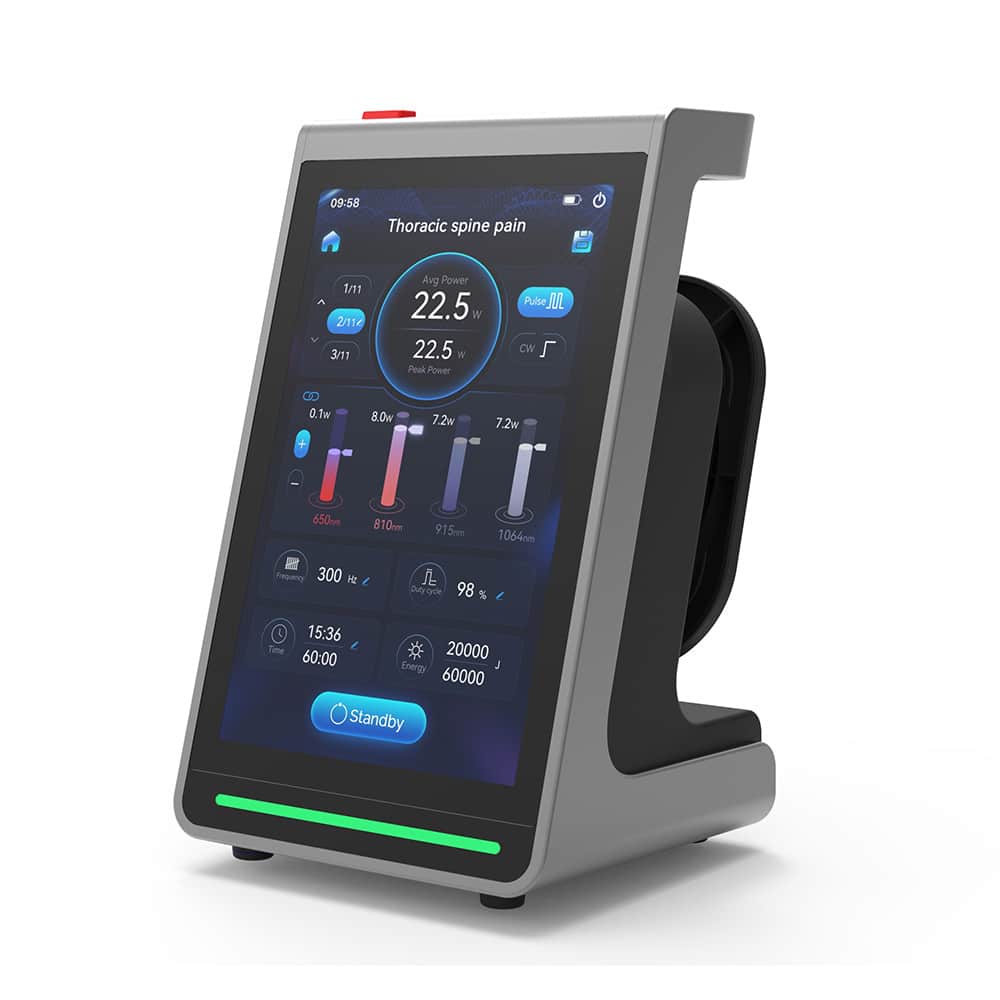
Explore Medray’s Class 4 Lasers
Medray’s Class 4 therapeutic lasers are designed to support circulation, tissue stimulation, and pain relief through a streamlined, repeatable workflow. Discover how laser therapy integrates seamlessly into busy clinics while providing a contact-free option for sensitive presentations.
Shockwave
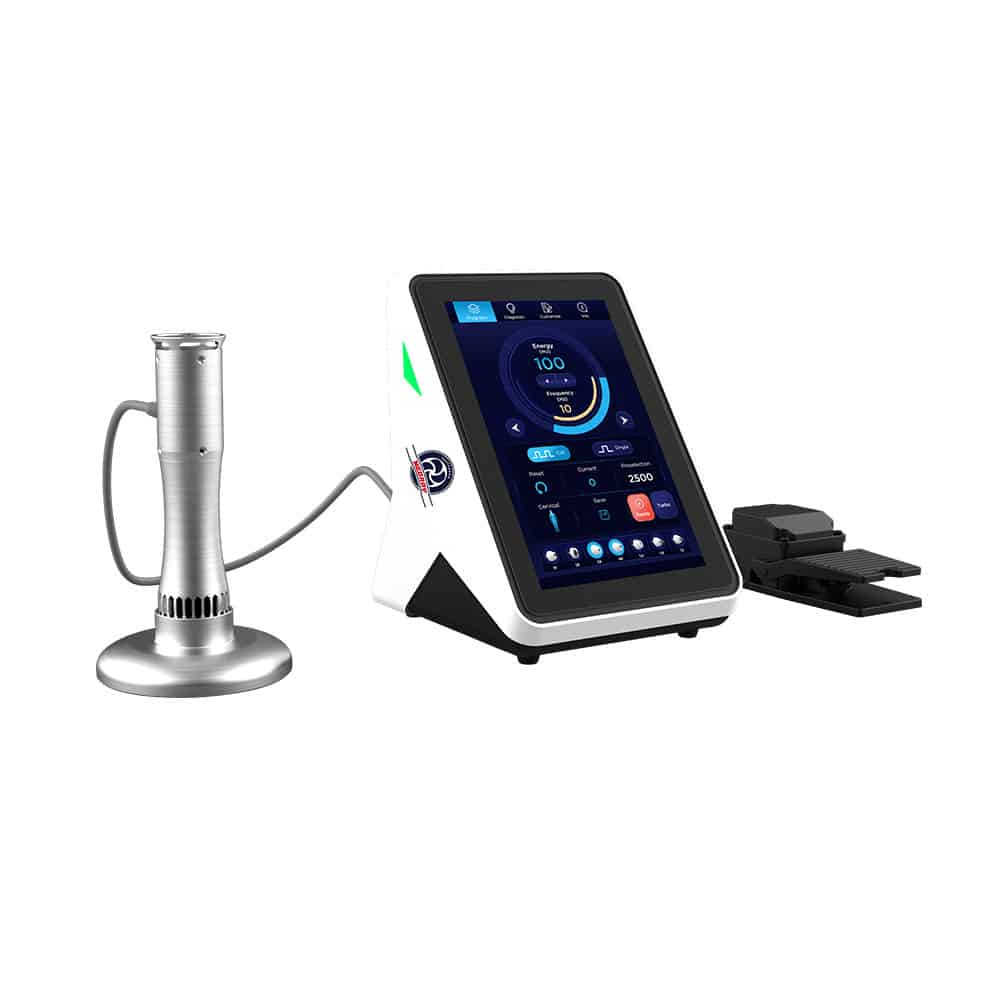
Explore Softshock 2.0 (RPW)
Medray Laser & Technology manufactures and distributes FDA-cleared medical devices designed to support circulation, tissue stimulation, and pain relief. Our products are intended for use by licensed healthcare professionals. While clinical research and practitioner experience support the use of laser and radial pressure wave (RPW) therapy in various applications, some uses described in this article may be considered off-label and are not explicitly cleared by the FDA. Patients should consult their healthcare provider to determine the best treatment for their individual needs. The information provided in this article is for educational purposes only and should not be considered medical advice or a substitute for consultation with a licensed medical professional.
Educational content is for licensed healthcare providers and may include discussion of clinical uses not cleared by the FDA. Provided for scientific exchange and not intended as promotional.
The FDA has cleared therapeutic lasers and shockwave devices for increasing circulation, tissue stimulation, and pain relief. Some of the use cases described in this article reflect how clinicians may apply shockwave therapy in practice, based on peer-reviewed research. This information is provided for educational purposes only and does not imply FDA clearance or approval for specific conditions.