
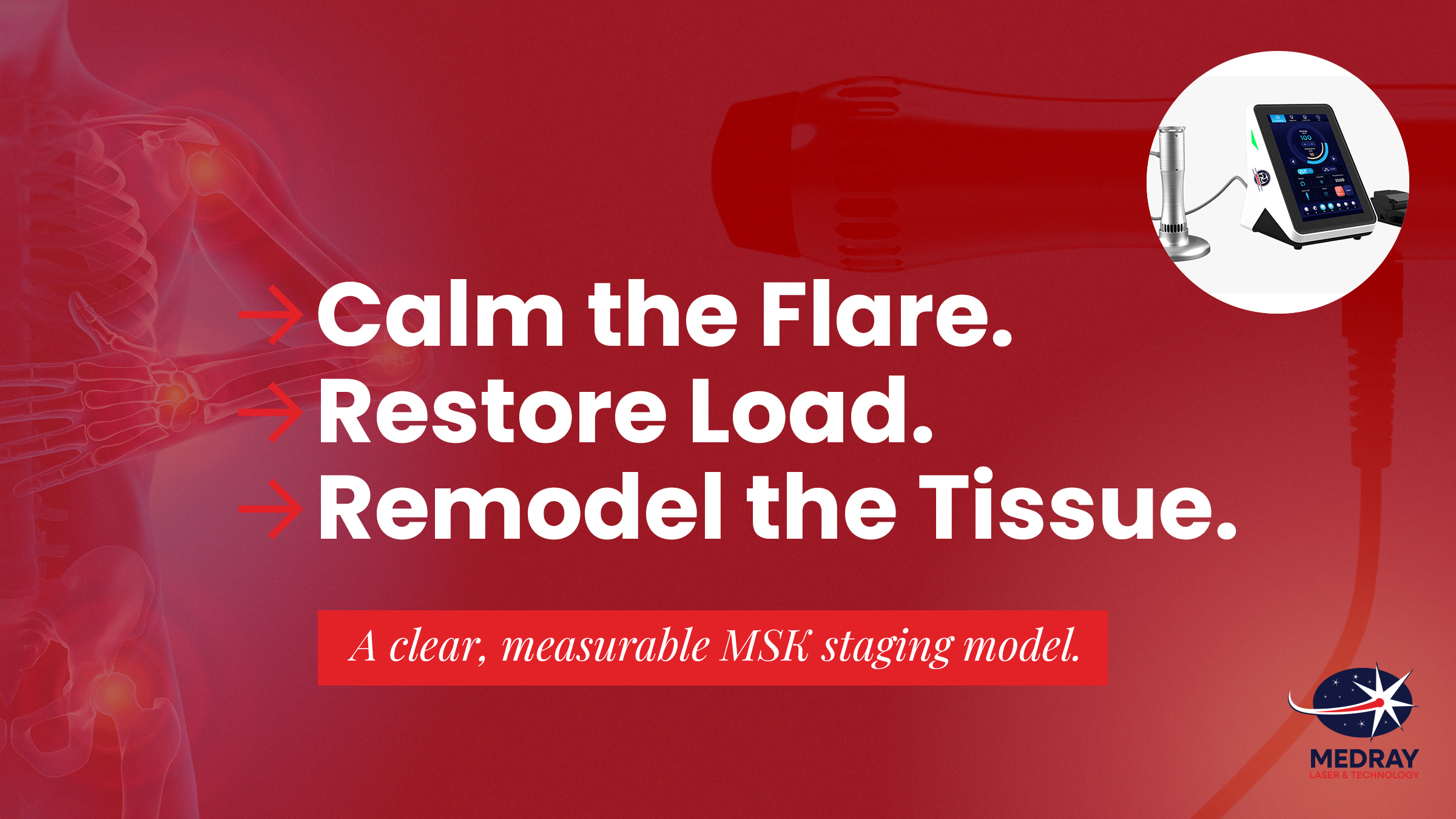
What does “clinical staging at the pathology site” mean in day-to-day musculoskeletal (MSK) care?
Most musculoskeletal (MSK) cases combine chronic pathology with an acute flare that finally pushes a patient to seek care. The plan should address the same pathologic site while following a stage-based sequence: calm biochemical drivers of pain and inflammation, restore capacity, and—when needed—stimulate tissue remodeling.
Why focus on the same pathology site instead of switching targets as symptoms change?
Acute flare (same site, high reactivity).
Start with photobiomodulation (PBM/laser) delivered via clinic presets (auto-stop time/energy) over the involved region. The purpose is to reduce nociception and inflammatory signaling enough to permit movement and sleep.
How can PBM/laser be used during an acute flare while staying consistent and measurable?
Immediately pair PBM with gentle, tolerable exposure: guided range, isometrics, or light task practice. Set expectations around pacing and after-effects.
Choose one objective measure tied to that site and task, and repeat it every visit under the same setup: painful-arc onset angle for shoulder; standardized grip for lateral elbow; heel-raise total or decline-squat reps for Achilles/patellar; vibration seconds or 10-meter walk speed for neuropathy foot/ankle. The single measure keeps decisions grounded.
What changes during the subacute transition as irritability drops and loading resumes?
Subacute transition (irritability falling, loading resumes).
As symptoms settle, keep PBM as needed to protect session volume, but let progressive loading lead: tempo-controlled isotonics, volume ladders, range or speed targets, and relevant ADL/sport exposures.
Maintain the same objective measure and watch the trend, not single-day noise. If loading remains limited by a localized structure at the same site—common extensor origin, patellar enthesis, mid-portion Achilles, plantar fascia—prepare for a remodeling phase.
When does it make sense to introduce targeted shockwave as a remodeling stimulus?
Chronic degenerative tissue (localized, load-provoked).
Introduce targeted shockwave
(small spot-size, clinic-standard parameters, auto-stop) to the involved tissue as a remodeling stimulus, while continuing progressive loading.
PBM may remain in the background for peri-session comfort but is no longer the main driver. Inform the patient that remodeling effects accumulate alongside the exercise program.
Schedule a defined review after 3–4 sessions to examine the trend in the single measure and the related function (elevation volume, job-specific grip, stairs/run tolerance, first-steps comfort). Based on that review, either continue, make a single adjustment, or stop the adjunct and proceed with loading and education alone.
How can documentation be standardized so the plan scales across clinicians and locations?
Documentation that scales across clinicians.
Use a consistent subheading and fields so any provider can read the chart quickly:
Adjunct — Stage Plan
Stage: [Acute flare | Subacute transition | Chronic remodeling]
Adjunct: [PBM preset name] or [Targeted shockwave preset name] (auto-stop)
Objective measure: [value] (prior [value]); Function: [brief note]
Patient statement: [one sentence]
Non-covered: [accepted/declined]
Why does this staged approach hold up clinically and operationally?
Explore our Class 4 Lasers and Shockwave Therapy Device
Laser
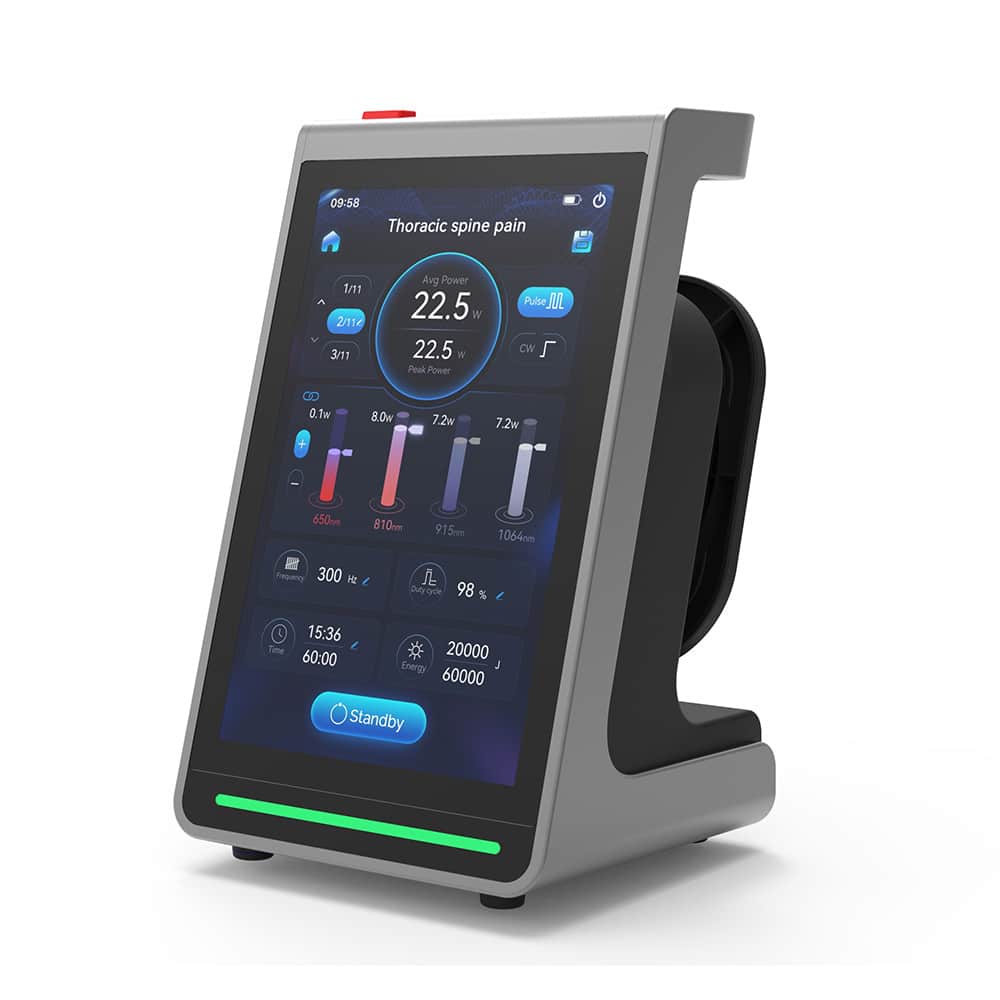
Explore Medray’s Class 4 Lasers
Medray’s Class 4 therapeutic lasers are designed to support circulation, tissue stimulation, and pain relief through a streamlined, repeatable workflow. Discover how laser therapy integrates seamlessly into busy clinics while providing a contact-free option for sensitive presentations.
Shockwave
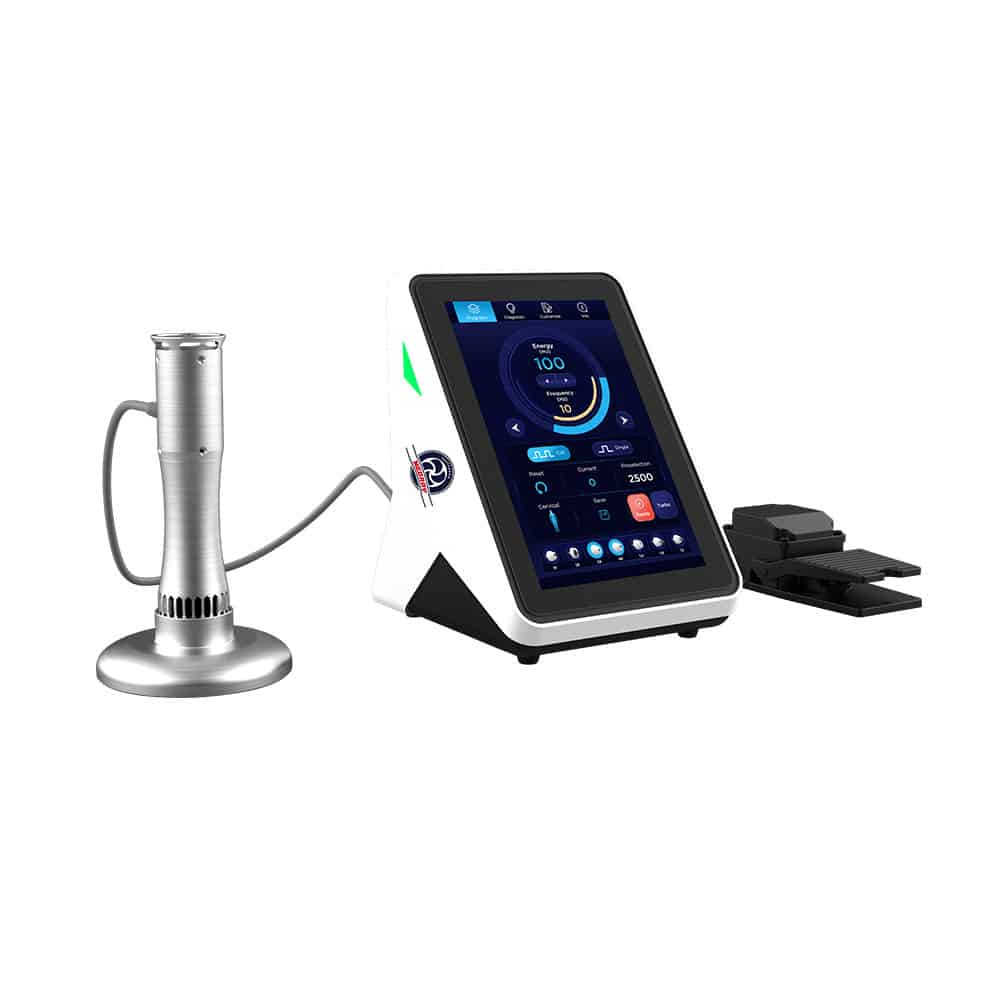
Explore Softshock 2.0 (RPW)
Supporting clinicians with structured, measurable pathways
Bring Clarity to Every Phase of musculoskeletal Care
Medray helps clinics integrate photobiomodulation and targeted shockwave into a staged, pathology-focused workflow that improves consistency, documentation, and decision-making. Whether you’re refining flare management, strengthening loading strategies, or introducing remodeling protocols, we provide the tools and training to make each phase clear and repeatable.
If your team wants a cleaner plan for acute flare, subacute progression, or chronic tissue remodeling, our specialists can guide you through proven, clinic-ready staging models. We’ll help you use the right preset, the right timing window, and the right measure—so every provider stays aligned.
(573) 745-1086 or contact us to learn how staged PBM and shockwave pathways can elevate your workflow.
Medray Laser & Technology manufactures and distributes FDA-cleared medical devices designed to support circulation, tissue stimulation, and pain relief. Our products are intended for use by licensed healthcare professionals. While clinical research and practitioner experience support the use of laser and radial pressure wave (RPW) therapy in various applications, some uses described in this article may be considered off-label and are not explicitly cleared by the FDA. Patients should consult their healthcare provider to determine the best treatment for their individual needs. The information provided in this article is for educational purposes only and should not be considered medical advice or a substitute for consultation with a licensed medical professional.
Educational content is for licensed healthcare providers and may include discussion of clinical uses not cleared by the FDA. Provided for scientific exchange and not intended as promotional.
The FDA has cleared therapeutic lasers and shockwave devices for increasing circulation, tissue stimulation, and pain relief. Some of the use cases described in this article reflect how clinicians may apply shockwave therapy in practice, based on peer-reviewed research. This information is provided for educational purposes only and does not imply FDA clearance or approval for specific conditions.