Why Structured Neuropathy Care Matters
Peripheral neuropathy presents a unique challenge in outpatient practice. While many clinicians recognize common symptoms such as tingling, numbness, burning sensations, or balance difficulties, developing a consistent and repeatable care pathway can be far more difficult.
In many clinics, neuropathy care becomes reactive rather than structured. Symptoms are discussed during each visit, treatment is provided, but progress can be difficult to measure and patients may struggle to understand how their care is evolving over time.
A more effective approach is to build a framework that moves from baseline assessment to treatment planning, from treatment delivery to objective follow up, and from individual visits to a clearly defined course of care. When implemented consistently, this type of structure can improve both clinical efficiency and patient engagement.
Why Is Structure Important in Neuropathy Care?
Neuropathy symptoms often fluctuate.
A patient may report improvement one week and increased symptoms the next. Without a clear framework, treatment decisions can become heavily influenced by day to day symptom changes rather than long term progress.
This creates several challenges:
- Documentation becomes less precise
- Progress is harder to track
- Treatment plans may lose direction
- Patients may become uncertain about their goals
A structured care pathway helps ensure that every visit contributes to a larger clinical objective rather than functioning as an isolated treatment session.
Where Should a Neuropathy Care Plan Begin?
The foundation of any structured neuropathy program is a well defined baseline assessment.
Patients may report symptoms such as:
- Tingling
- Burning sensations
- Numbness
- Balance concerns
- Walking difficulties
- Lower extremity discomfort
While these subjective complaints are important, they do not provide a complete picture.
Clinicians should also consider documenting how symptoms affect:
- Walking tolerance
- Standing tolerance
- Balance confidence
- Sleep quality
- Daily activities
- Functional mobility
- Gait asymmetry
- Reduced push off during walking
- Altered foot placement
- Impaired balance
- Lower extremity coordination changes
Depending on the clinical setting, additional observations may include sensory screening, balance testing, or functional movement assessments.
The goal is not to create a complicated evaluation process. The goal is to establish a consistent starting point that can be revisited throughout care.
What Goals Should Be Established Early?
A structured treatment plan requires clearly defined objectives.
Without specific goals, visits often become repetitive and symptom focused rather than progression focused.
For some patients, the primary goal may be:
- Improving sleep quality disrupted by discomfort
- Reducing symptom intensity
- Increasing comfort during daily activities
- Improving walking confidence
- Enhancing balance
- Increasing activity tolerance
- Supporting lower extremity stability
- Activity levels
- Lifestyle habits
- Nutritional considerations
- Overall health status
How Can Clinics Create a Repeatable Visit Structure?
One of the most effective ways to improve consistency is to establish a repeatable visit framework. This does not mean every appointment must look exactly the same. Instead, it means creating a reliable sequence that guides decision making.
A structured visit may include:
-
Brief Symptom Review
- Review changes since the previous visit, including symptom behavior and functional status.
-
Key Reassessments
Perform one or two repeatable measures that align with the patient's goals. Examples may include:
- Balance performance
- Walking tolerance
- Gait observations
- Functional movement tasks
-
Treatment Delivery
Provide interventions based on the established priorities within the plan of care. These may focus on:
- Symptom relief
- Functional mobility
- Balance training
- Movement reinforcement
- Circulation focused therapies
-
Patient Education and Next Steps
Conclude the visit by reviewing progress, reinforcing recommendations, and outlining what will be reassessed at future visits.
This framework helps maintain consistency while still allowing care to adapt to individual patient needs.
Why Is Objective Follow Up So Important?
Subjective symptom reports remain valuable, but they should not be the only measure guiding clinical decisions.
Neuropathy related changes are often gradual.
Small improvements in:
- Stability
- Confidence
- Walking quality
- Activity tolerance
- Functional performance
may represent meaningful progress even when symptoms fluctuate.
Objective follow up allows clinicians to identify these changes more reliably.
Common areas that may be monitored include:
- Balance performance
- Gait quality
- Walking tolerance
- Lower extremity confidence
- Functional mobility
- Sensory findings
The specific measures may vary from clinic to clinic, but the principle remains the same:
Assess what matters and reassess it consistently.
This approach provides greater clarity regarding whether the plan should continue, progress, or be modified.
Should Treatment Planning Focus Only on Intervention Selection?
One of the most common mistakes in neuropathy care is focusing exclusively on what treatment to provide rather than how treatment will be delivered over time. Selecting an intervention is important. Structuring its delivery is what creates a sustainable and measurable program.
For example:
Some patients may initially require greater emphasis on:
- Comfort
- Sensory awareness
- Temporary pain relief
- Balance
- Gait mechanics
- Functional movement
- Lower extremity loading strategies
- Why a treatment is being used
- What outcome it is intended to influence
- When it will be reassessed
- How progression decisions will be made
How Can Technology Support Structured Neuropathy Programs?
- Establish objective baselines
- Track changes over time
- Improve documentation consistency
- Support patient education
- Increasing circulation
- Tissue stimulation
- Temporary pain relief
Within a structured neuropathy program, these capabilities may help support broader clinical goals while maintaining consistency in treatment delivery.
The key is ensuring that every technology has a clearly defined role within the larger care pathway.
The Bottom Line
Once neuropathy becomes part of the clinical picture, care should move beyond symptom discussion alone.
A structured program begins with a consistent baseline, establishes clear goals, follows a repeatable visit framework, and relies on objective follow up to guide progression.
When clinicians organize care in this way, neuropathy management becomes more:
- Consistent
- Measurable
- Efficient
- Patient centered
Ultimately, structure is what transforms isolated symptoms into a meaningful and repeatable plan of care.
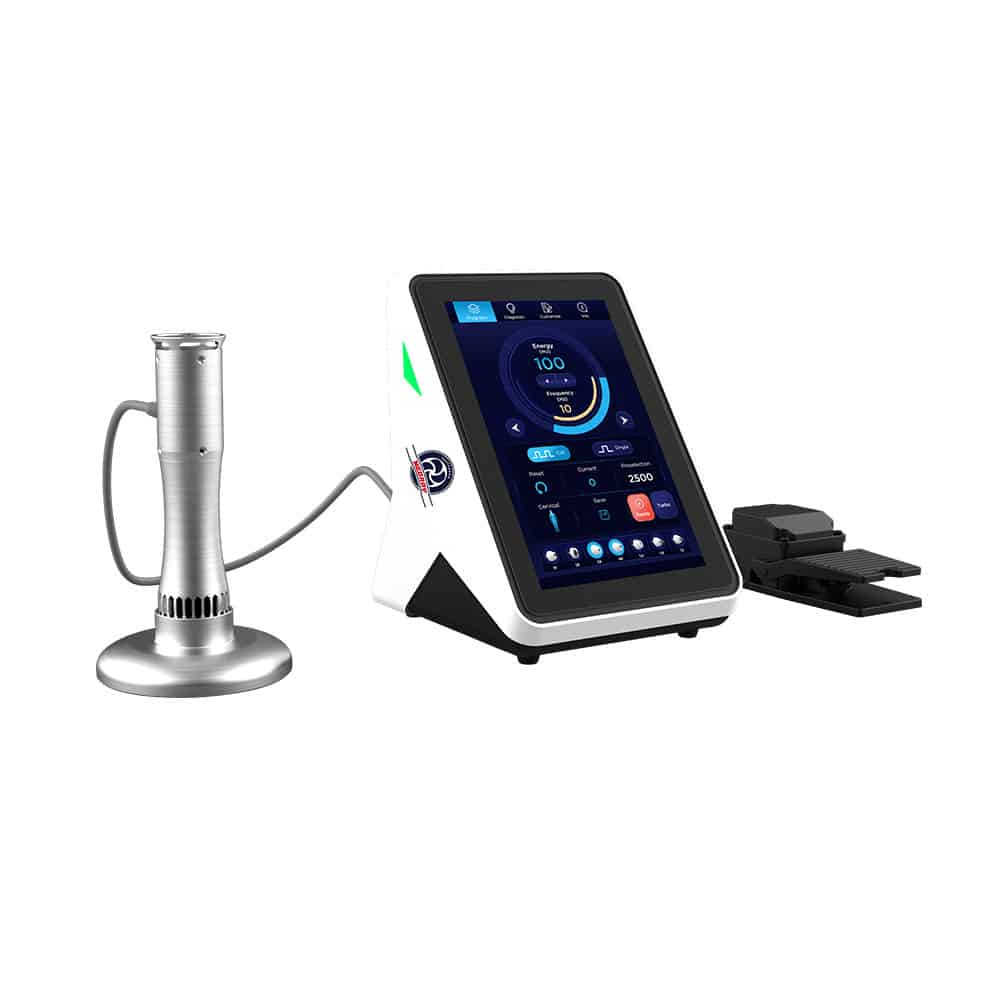
Explore our Class 4 Lasers and Shockwave Therapy Device
Laser
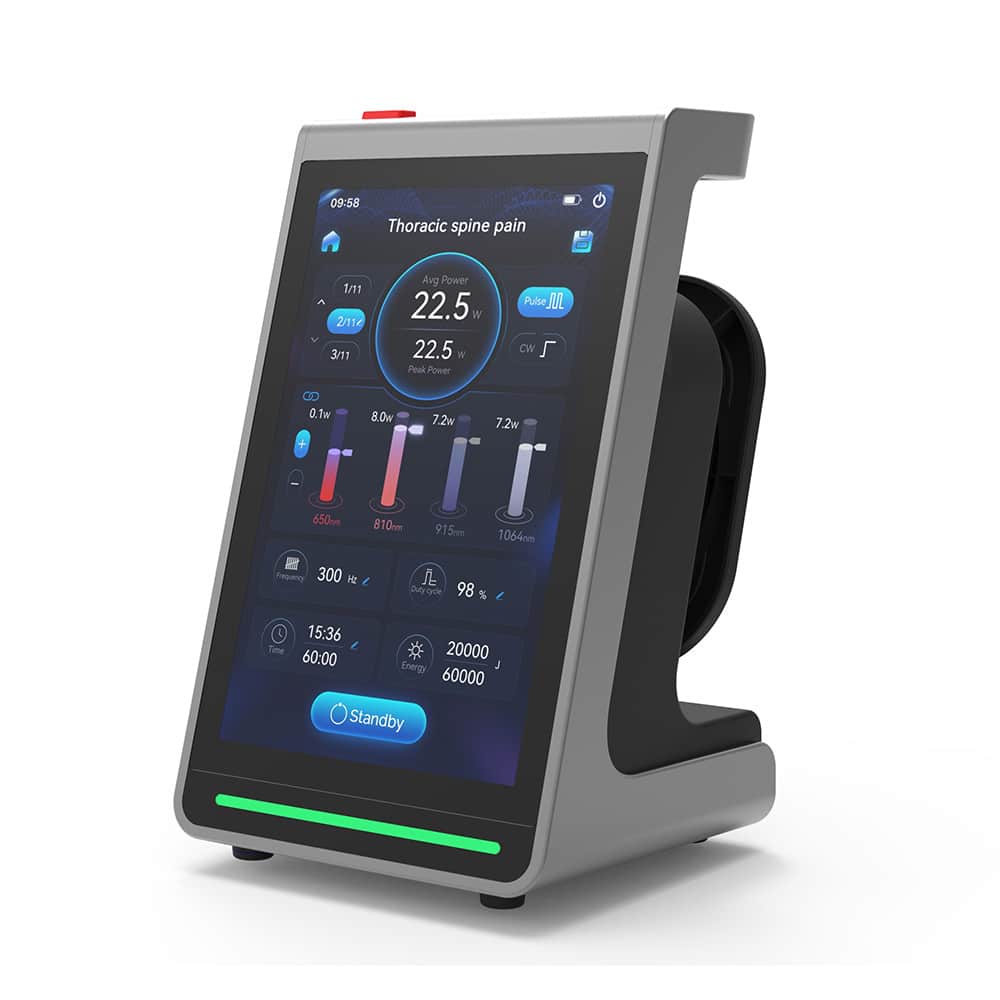
Explore Medray’s Class 4 Lasers
Medray’s Class 4 therapeutic lasers are designed to support circulation, tissue stimulation, and pain relief through a streamlined, repeatable workflow. Discover how laser therapy integrates seamlessly into busy clinics while providing a contact-free option for sensitive presentations.
Shockwave