
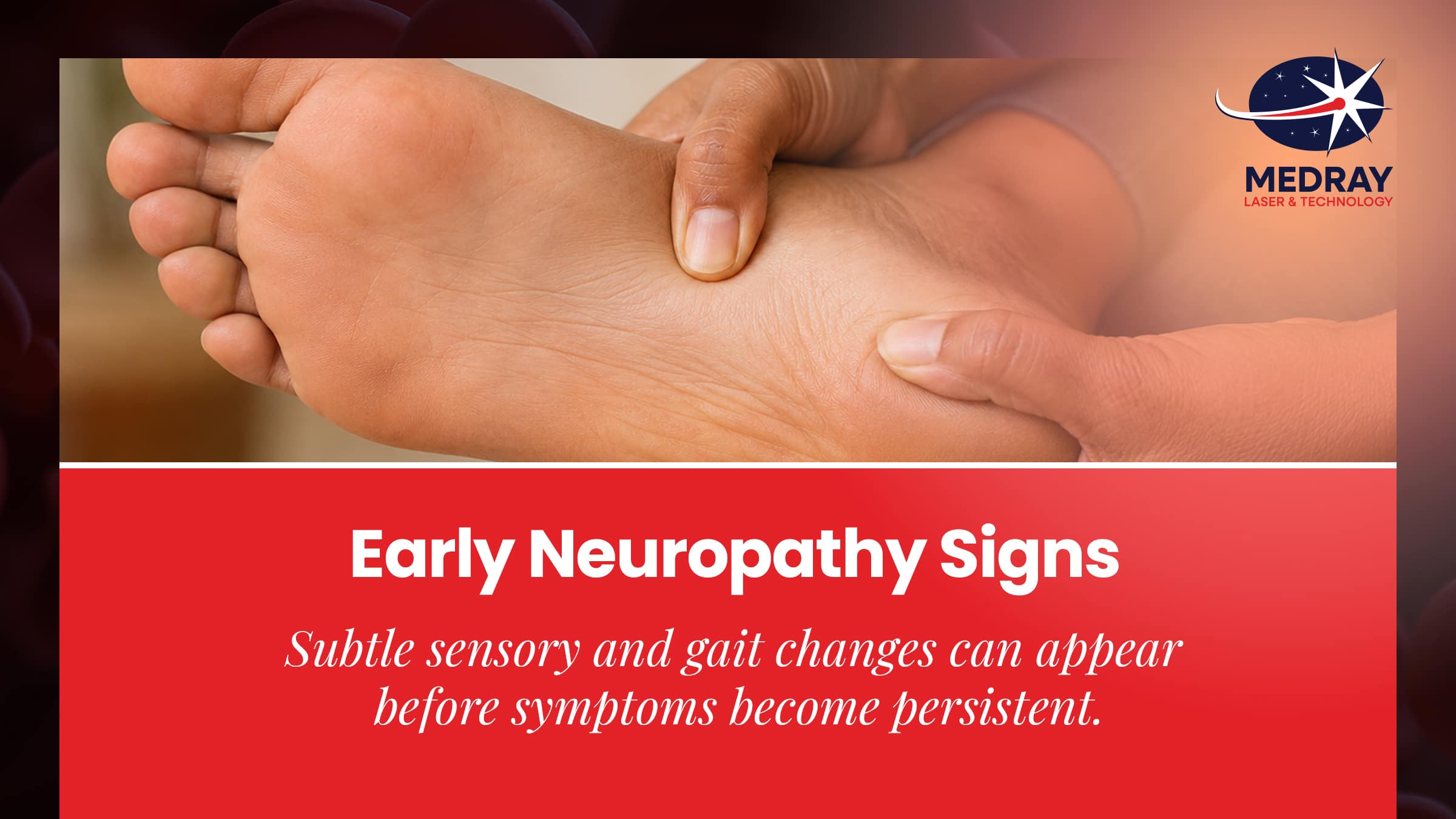
Why Early Neuropathy Signs Are Easy to Miss
Peripheral neuropathy is often identified only after symptoms become persistent and difficult for patients to ignore. By that stage, individuals may already report numbness, tingling, burning sensations, altered balance, gait changes, sleep disruption, or reduced confidence with walking.
Why Is Peripheral Neuropathy Often Recognized Late?
- Mild burning or discomfort in the feet after activity
- Increased sensitivity to touch
- Nighttime discomfort
- A vague sense of instability or “off-balance” feeling
- Reduced tolerance to standing or walking
Because these symptoms overlap with common orthopedic presentations, they are often interpreted through a purely musculoskeletal lens—which is not always incorrect, but may be incomplete.
The challenge lies in identifying when a symptom pattern does not fully align with a straightforward mechanical explanation.
What Are the Early Signs of Peripheral Neuropathy?
-
Sensory Changes May Include:
- Numbness or tingling
- Burning sensations
- Altered sensitivity to touch or temperature
- Symptoms that worsen at night
-
Functional Changes May Include:
- Reduced push-off during gait
- Shortened step length
- Increased time in double support
- Decreased walking efficiency
- Reduced confidence on uneven surfaces
-
Behavioral Clues May Include:
- Holding onto surfaces more frequently
- Hesitation during walking
- Difficulty with balance tasks (e.g., tandem stance)
- Describing movement as “feeling different” rather than painful
How Can Neuropathy Mimic Musculoskeletal Conditions?
- A patient presenting with “foot pain” may also report nighttime symptoms or altered sensation
- A patient with chronic low back pain may have lower-extremity symptoms not fully explained by spinal referral
- A patient with gait inefficiency may appear deconditioned, but underlying nerve dysfunction may be contributing
Ready to Strengthen Neuropathy Awareness in Your Practice?
Why Does Early Detection of Neuropathy Matter?
Early recognition of peripheral neuropathy does not guarantee reversal, but it may change the trajectory of care.
As neuropathy progresses, its impact often extends beyond discomfort to include:
As neuropathy progresses, its impact often extends beyond discomfort to include:
- Reduced gait efficiency
- Declining balance confidence
- Increased fall risk
- Altered tissue loading patterns
- Decreased overall function
In populations such as individuals with diabetes or pre-diabetes, these changes may also influence:
- Skin integrity
- Wound risk
- Long-term independence
Early detection creates opportunities to:
- Monitor changes more closely
- Educate patients sooner
- Adjust care plans proactively
- Refer for medical evaluation when appropriate
From a practice standpoint, this supports more proactive, patient-centered care delivery.
Does Screening for Neuropathy Need to Be Complex?
No—early screening can often begin with simple clinical awareness and pattern recognition.
Clinicians should take note when patients report:
- Burning, tingling, or numbness
- Bilateral lower-extremity symptoms
- Nighttime discomfort
- Temperature sensitivity
- Balance changes or instability
- A general sense that walking “feels different”
What Can Be Observed in a Routine Visit?
- Gait efficiency and symmetry
- Foot clearance and push-off
- Stability during stance
- Confidence with single-leg loading
- Sensory comparison
- Balance testing
- Functional movement observation
Technology may also support this process. For example, gait analysis systems can provide objective insights into stability and efficiency metrics, helping clinicians identify subtle deviations that may not be immediately visible. Some clinics also incorporate physical therapy shockwave machine workflows alongside rehabilitation programs focused on movement and function.
The goal is not to perform a full neurological workup on every patient—but to recognize when the presentation warrants a broader evaluation.
How Does Early Recognition Impact Clinical Management?
For conservative care providers, early recognition of neuropathic patterns supports both appropriate referral and more intentional in-scope care. Once nerve-related involvement is suspected, care strategies may shift to emphasize:
- Gait safety and efficiency
- Balance and stability training
- Foot mechanics and load distribution
- Sensory awareness
- Circulation-focused interventions
- Patient education
These approaches align with commonly observed clinical strategies and may support outcomes related to function, mobility, and quality of life. Many rehabilitation clinics also integrate Class 4 physical therapy lasers into broader mobility and circulation-focused care strategies.
When integrating modalities such as photobiomodulation (laser therapy), clinicians often focus on supporting circulation, tissue stimulation, and temporary pain relief, consistent with FDA-cleared indications.
What Are Patients Looking for in Early Neuropathy Stages?
- Clarity about what may be happening
- Insight into whether symptoms could progress
- Guidance on what actions can be taken early
- Provide education and reassurance
- Set realistic expectations
- Build long-term patient trust
- Deliver more structured and proactive care plans
What Is the Bigger Clinical Picture?
- Foot discomfort that does not behave mechanically
- Subtle instability or gait hesitation
- Vague lower-extremity dysfunction
- Symptoms that do not respond as expected to standard care
- Attention to detail
- Pattern recognition
- Willingness to question incomplete explanations
Explore our Class 4 Lasers and Shockwave Therapy Device
Laser
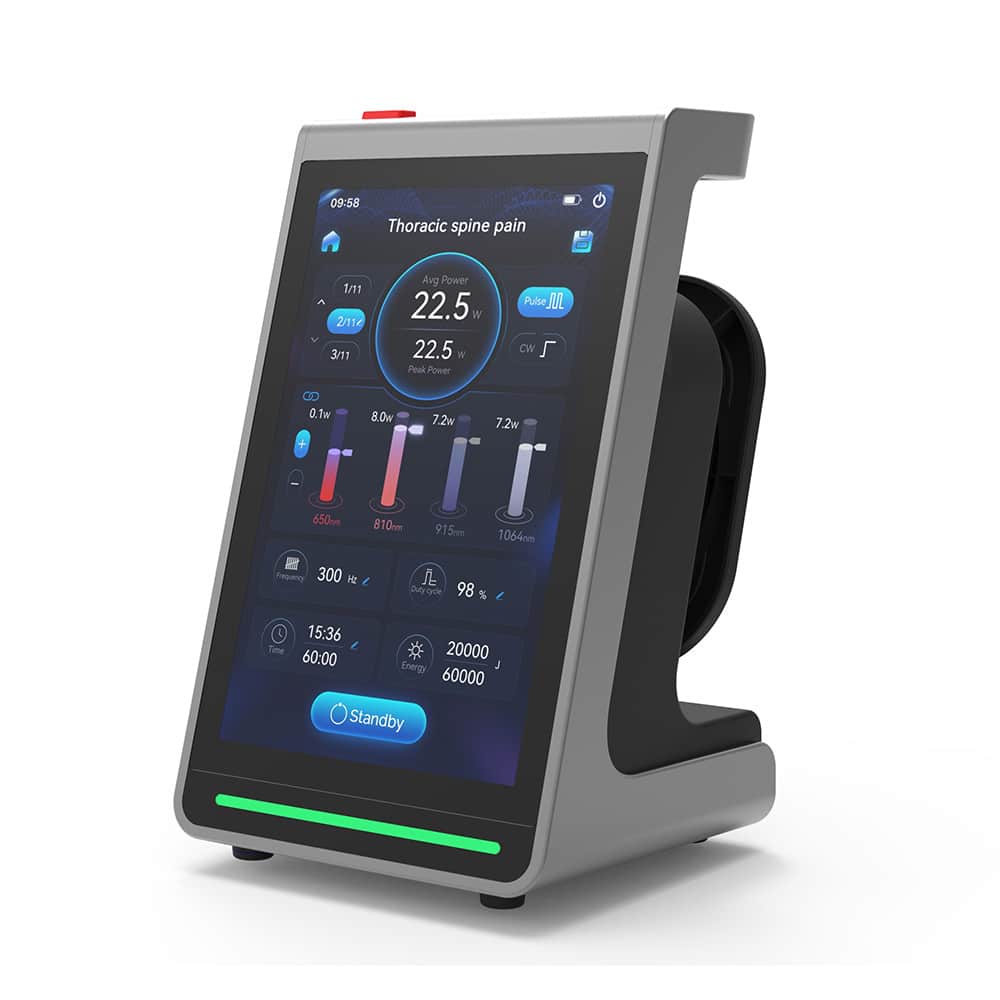
Explore Medray’s Class 4 Lasers
Medray’s Class 4 therapeutic lasers are designed to support circulation, tissue stimulation, and pain relief through a streamlined, repeatable workflow. Discover how laser therapy integrates seamlessly into busy clinics while providing a contact-free option for sensitive presentations.
Shockwave
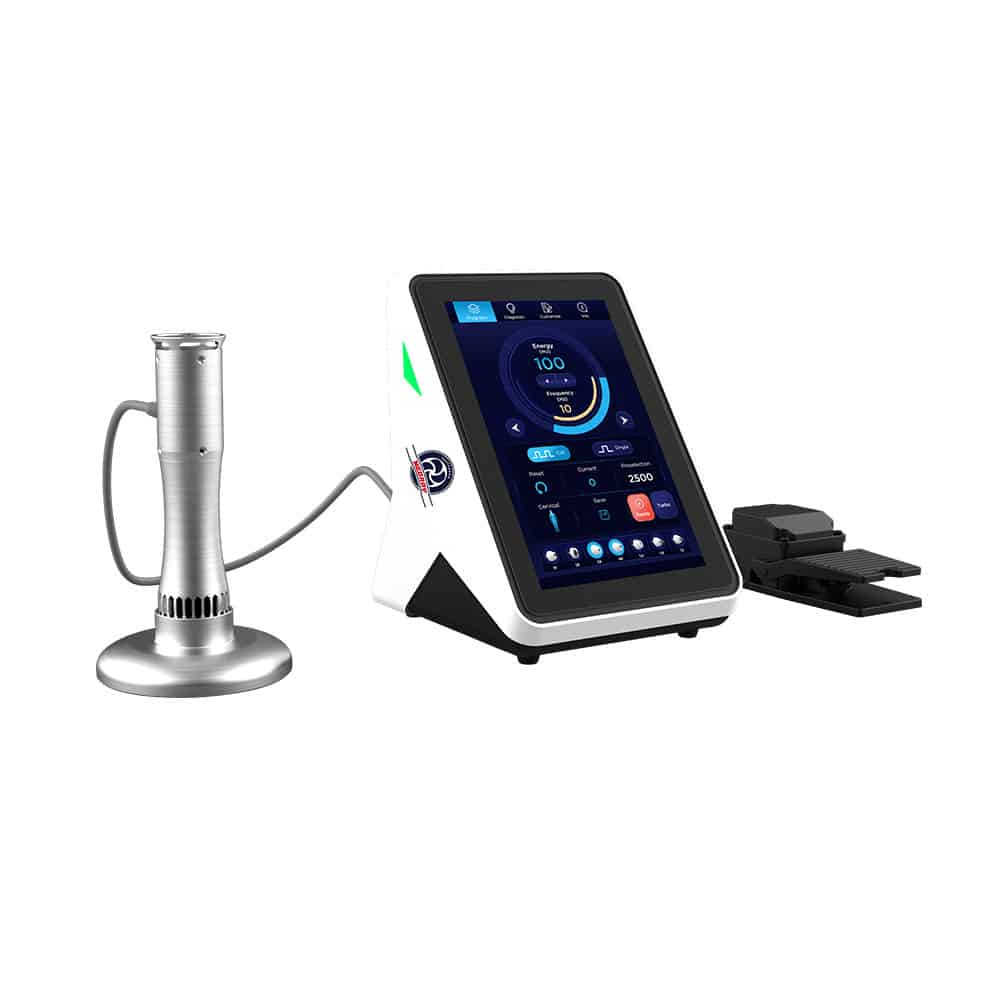
Explore Softshock 2.0 (RPW)
Clinical guidance for neuropathy-focused care integration
Recognize Early Neuropathy Patterns With Confidence
Medray Laser & Technology manufactures and distributes FDA-cleared medical devices designed to support circulation, tissue stimulation, and pain relief. Our products are intended for use by licensed healthcare professionals. While clinical research and practitioner experience support the use of laser and radial pressure wave (RPW) therapy in various applications, some uses described in this article may be considered off-label and are not explicitly cleared by the FDA. Patients should consult their healthcare provider to determine the best treatment for their individual needs. The information provided in this article is for educational purposes only and should not be considered medical advice or a substitute for consultation with a licensed medical professional.
Educational content is for licensed healthcare providers and may include discussion of clinical uses not cleared by the FDA. Provided for scientific exchange and not intended as promotional.
The FDA has cleared therapeutic lasers and shockwave devices for increasing circulation, tissue stimulation, and pain relief. Some of the use cases described in this article reflect how clinicians may apply shockwave therapy in practice, based on peer-reviewed research. This information is provided for educational purposes only and does not imply FDA clearance or approval for specific conditions.